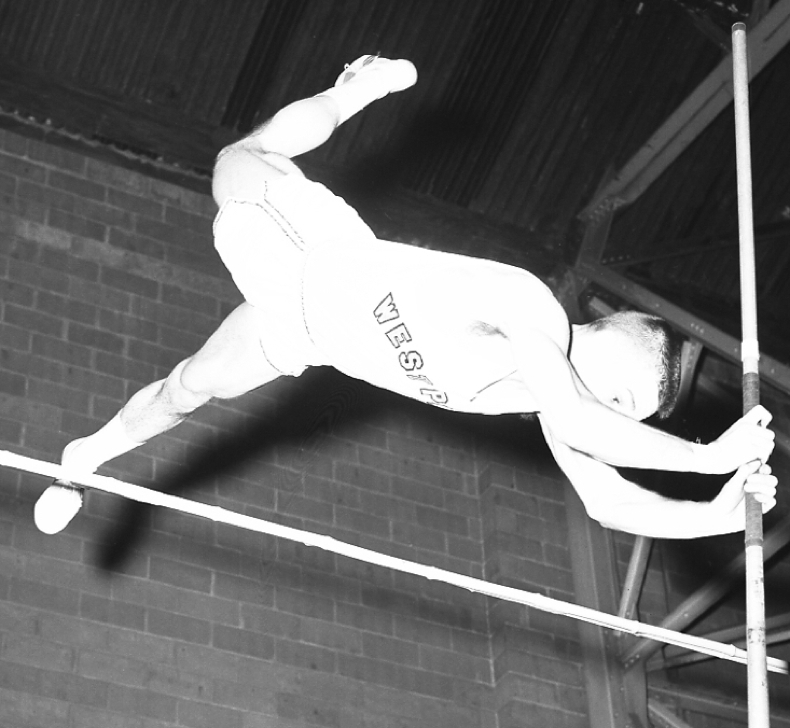
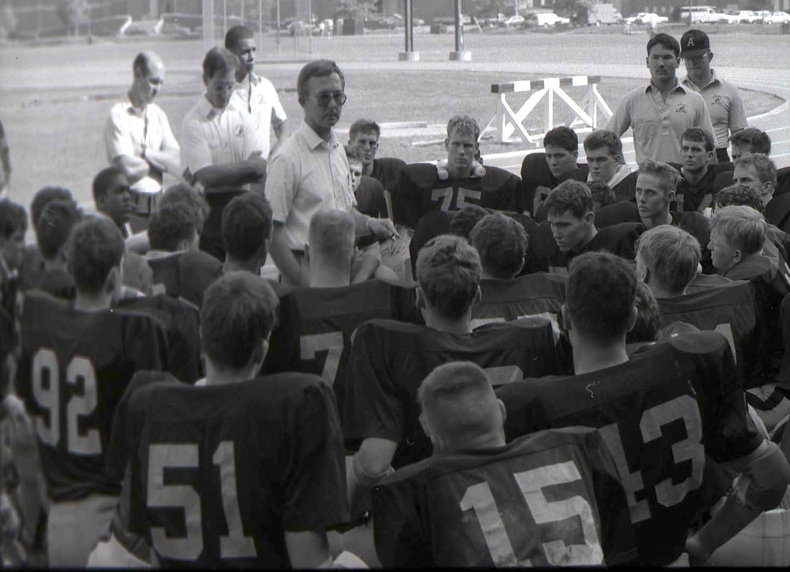
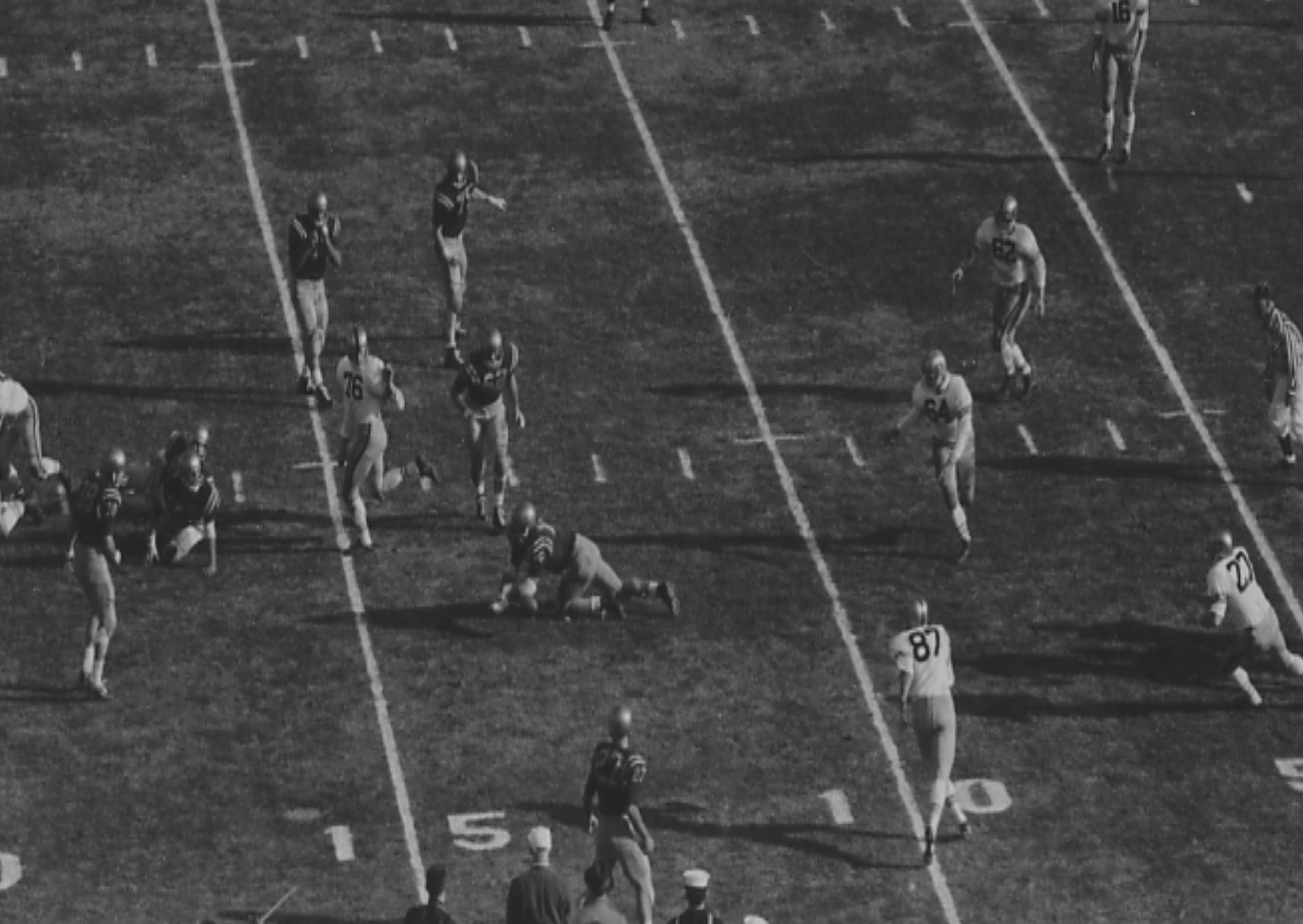
Captaim of the Swimming Team
Killed in Vietnam

Most college graduates when asked who gave their graduation address and what did they say do not have any recollection. Well, for some unknown reason, I have a copy of the White House press release of President Kennedy’s remarks to us. Each time I read them they become more timeless. Inasmuch as we just passed the 36th anniversary of our graduation, I’m sending JFK’s remarks in their entirety. I have no idea how this came into my possession, but I thought you all might like a copy of it.

Recommended his Regimental Motto – – Can Do for our Class Motto.
It was, it has and it will always be a Good Class Motto.
Don M. Snider, Ph.D.
Professor of Political Science, Emeritus
Department of Social Sciences, U.S. Military Academy
West Point, New York
In 1998, after a military career in the US Army, five years in Washington DC as Analyst and Director of political-military research at the Center for Strategic and International Studies (CSIS), and three years as the Olin Distinguished Professor of National Security Studies at West Point, Dr. Snider was appointed to the civilian faculty of the U.S. Military Academy. Ten years later, in 2008, as he departed West Point he was advanced to Professor Emeritus, completing fifty years of public service.
His research and lecture interests continue to include: American civil-military relations, the identities and development of the Army officer, and American military professions. He was research director, co-editor, and chapter author for three recent books on the Army as profession: The Future of the Army Profession, 2d Edition (McGraw-Hill, 2005), now a textbook at the Army War College and West Point; Forging the Warrior’s Character: Moral Precepts from the Cadet Prayer, 2d Edition (McGraw-Hill, 2008), also a text at West Point; and forthcoming, American Civil-Military Relations: The Soldier and the State in the New Era (Johns Hopkins University Press, spring, 2009).
Dr. Snider’s other publications include: Dissent and Strategic Leadership of The Military Professions (Army War College, Strategic Studies Institute, 2008); “Intrepidity and Character Development Within the Army Profession” (Strategic Studies Institute, 2008); “Leadership by Example” (Army Magazine, November 2005), “Jointness, Defense Transformation, and the Need for a New Joint Warfare Profession,” (Parameters, Autumn 2003); “Officership: The Professional Practice” (Military Review, Jan-Feb 2003); “The Civil-Military Gap and Professional Military Education” (Armed Forces and Society, Winter 2001, co-author); “America’s Post-Modern Military” (World Policy Journal, Spring 2000); “Army Professionalism, The Military Ethic and Officership in the 21st Century” (Strategic Studies Institute, 1999, co-author); “The Uninformed Debate on Military Culture,” (Orbis, Winter 1999); “Civil-Military Relations and the Ability to Influence,” (Armed Forces and Society, Spring 1999, co-author); “U.S. Civil-Military Relations: Transition or Crisis” (CSIS, 1995, co-editor); “The Gulf War and What We Learned”, (Westview Press, 1992, co-author).
In addition to Congressional testimonies, his publications have appeared in Survival, The Washington Quarterly, Air Power Review, National Security Studies Quarterly, Command, Assembly, Armed Forces Journal International, and the Joint Forces Quarterly; his op/eds have appeared in the New York Times, the Washington Post, the Wall Street Journal.
Early in his military career, Dr. Snider served three combat tours as an infantryman in the Republic of Vietnam. After battalion command in the 7th Infantry Division, he specialized in military strategy and defense policy, serving consecutively as Chief of Plans for Theater Army in Europe, Joint Planner for the Army Chief of Staff, and Federal Executive Fellow at the Brookings Institution. In 1987 he joined the staff of the National Security Council in the White House serving as Director, Defense Policy, in both the Reagan and Bush Administrations. In his final active duty position, he served in the Office of the Chairman, Joint Chiefs of Staff. He then retired from military service in 1990.
Dr. Snider holds a Doctorate in Public Policy from the University of Maryland (1993) and Master’s Degrees in Economics and in Public Policy from the University of Wisconsin (1969). He is a member of The Council on Foreign Relations, New York City, and serves on the Executive Committee of the Inter-University Seminar (IUS) on Armed Forces and Society.
Below the discussion of the events leading to the recording is a short discussion of the painting of the Pictorial of General MacArthur talking to us less than 4 weeks from Graduation. It is again provided by Jim Ellis.
The Farewell – (and I have never felt it was a speech – I always felt that he was talking to us – telling us what he expected from us, of me) is at the end of this page. Continue reading
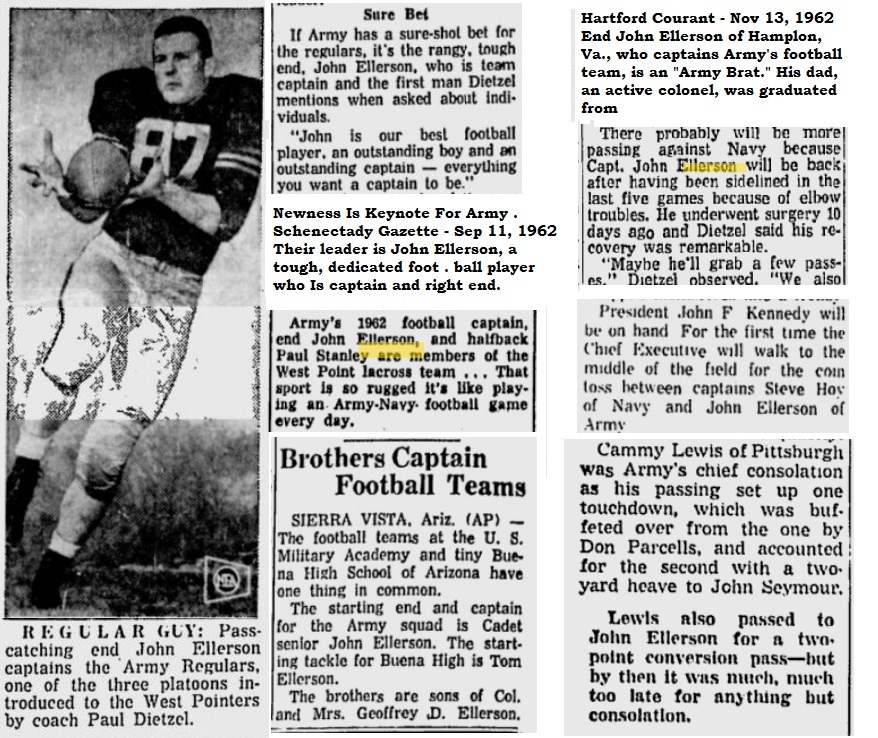
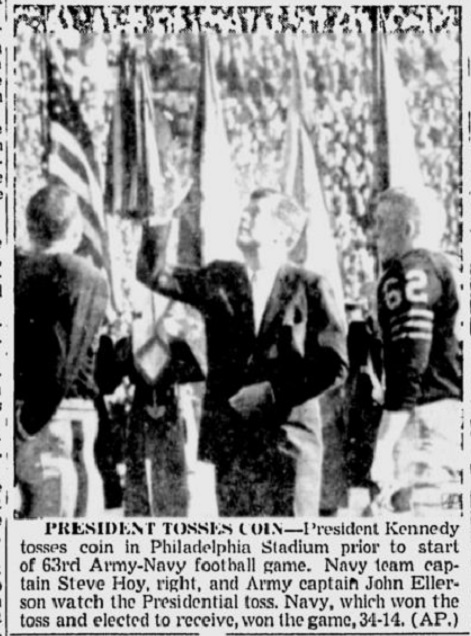
Class of 1963 – Captain of the 1962 Army Football Team
Also see Red Smith’s article of the 1960 Army Navy Game
http://forwhattheygaveonsaturdayafternoon.com/wp-teams/football/army-navy-football

Army 9 Syracuse 6 – Yankee Stadium 1961, against Syracuse and Ernie Davis their All American Back.
–

–
1962
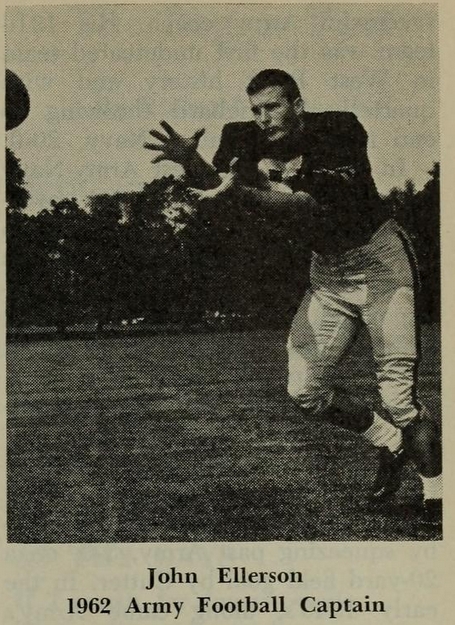
https://archive.org/stream/link2011unse#page/7/mode/1up
–
–
Paul & Sunny Jones
Paul Mike Jones 4 years of Wrestling Class Numerals and Monogram Yearling Year
Joe Steffy said COL Blaik had 2 great moments in football. one was the 93 yard touchdown by Rip Rowan in the A-N game.
The other was a touchdown run to win the game against Navy in 1955. RB Pete Lash ran for 30-40 yards to paydirt during which every Navy player had a shot at him, but he run through them all. Joe said that Lash was a walk-on. Small and played high school FB; Joe said he really did not have the attributes of a great player. BUT, he was tenacious and worked harder than anyone on the team. He succeeded in making the starting team his senior year. Went on to become a three star general.
It was the Fall of 1953. Years later Earl Blaik was to write of that Season – – “For two years these boys had seen the roughest action. They had lived with the coaching lash, dirt, blood, and defeat.”
Pete started the season on the B squad. One day at practice they were running the next week’s opponents plays against the Second Team – A Squad Defense — and doing quite well. Col Blaik came over, watched for a few minutes, blew his whistle and had two B Squaders change jerseys with A Squad players. From that day on Pete was on the A Squad.
After the jersey exchange Pete was sent over to where the backs were working with Vince Lombardi, who asked Pete if he knew the plays — which of course he didn’t but faked it — and managed to get by with only a little of Coach Lombardi’s sarcasm.
It was Col Blaik’s message that day to every player and it got their attention and made practices more competitive.
A little over 5 years later Col Blaik retired. Joe Steffy, Class of ’49, Army’s only Outland Trophy Winner asked his Coach what were his best memories of the 18 Army Navy Games. He mentioned two, one of which was Pete running through, around or over every Navy Player on the Field in the Fall of 1955.

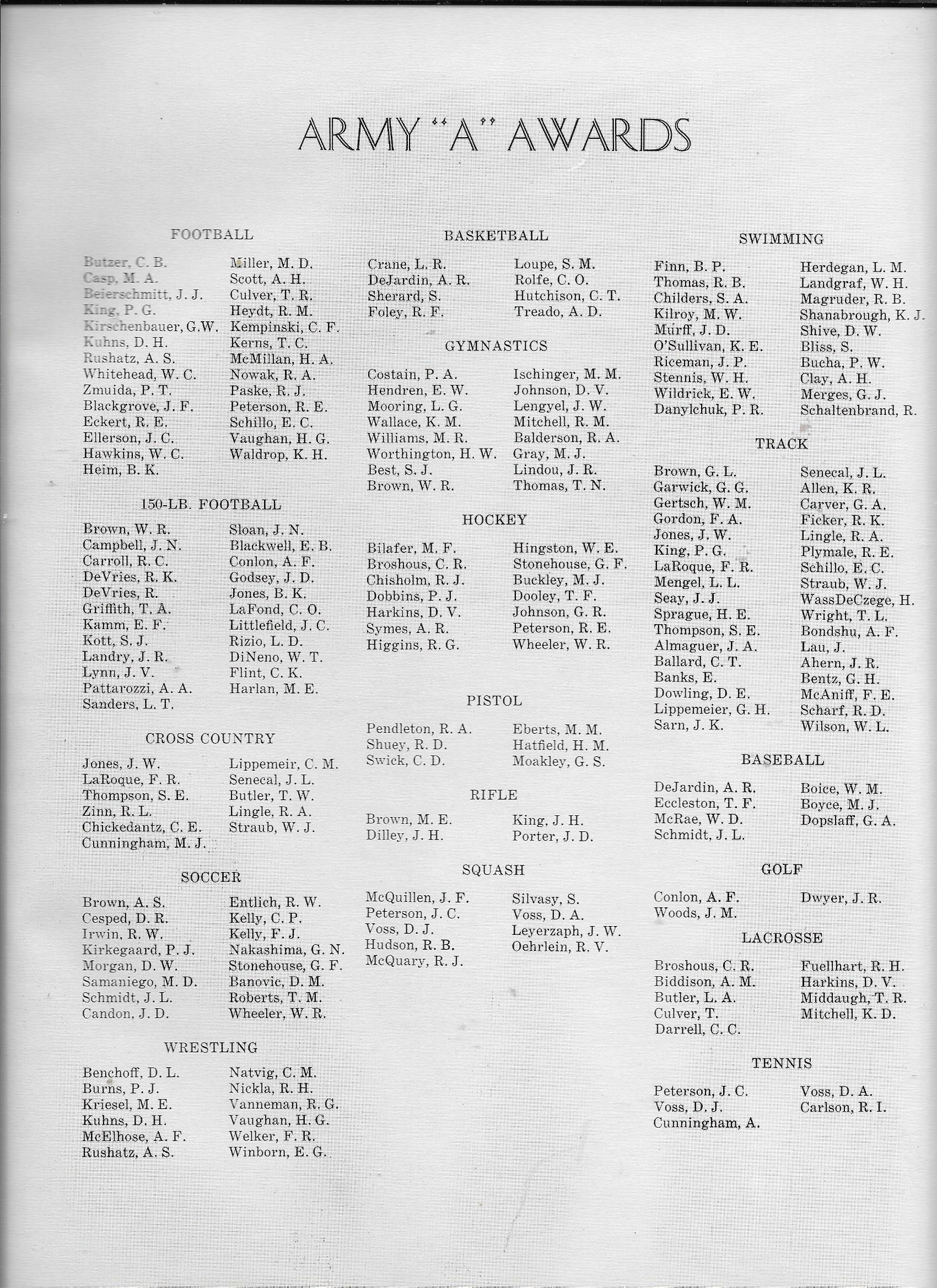
Our Four YearsAthletic Accomplishments of the Class of 62 – written by The Army A’s We Earned
Worth of a Class After 40 years what we gave back to our Nation The Obstacle Coarse then and now
Season after SeasonWe had 3 Years of eligibility |
General Stilwell Our Comm – he gave us
|
Writings by ’62Maggie Dixon 1958 Football Team
Sons of Slum & Gravy
Broke
West Point, a Century Ago 1911-1920: An Amazing Decade”
|
Donated FacilitiesKimsey Athletic Center Additional Writings
Writings by Our Motto |
For our Class
|
3 Year Starter Basketball,5 Academy Records at Graduation, 3 Army A’s
Basketball |
Dominate Athlete of the early 60’s – 6 Army A’s, All American in Football & Wrestling, First PE, The Driving Force in Establishment of the 62 Room.
|
 |
6 Army A’s Football and Wrestling
|
3 Year Starter. Firstie year, Ron Chisholm held opponents to 2.18 goals per game, an Academy record that stood for 46 years before being broken by “Josh Kassel” in the 2007 – 2008 Season. This was the last Academy individual or team record held by the Class of 1962.
|
5 Army A’s Hockey and Lacrosse
|
4 Army A’s Basketball and Baseball
|
3 Army A’s Football and LacrosseFootball and Lacrosse – Caught 10 passes against Michigan, led Team in receiving in 1961, scored twice against Navy in Lacrosse
|
Basketball and Baseball
Al Dejardin
|
4 Army A’s Football and LacrosseKilled in Action 12 August 1965
|
5 Army A’s Hockey and Lacrosse
|
2 Army A’s Football and Track
|
4 Army A’s Football and Baseball |
|
5 Army A’s – Baseball and 150 Football
|
4 Army A’s – Hockey and Lacrosse, Monogram 150 Football
|
5 Army A’s Soccer and Baseball
|
6 Army A’s Track and Cross Country
|
3 Army A’s – Cross Country and Track
|
Wrestling and 150 Football, Brigade Boxing Champion
Killed in Action 12 July 1965 |

|
An Army A Track and Cross CountryGeorge Kirschenbauer |
Olympic Walker – 1964 Olympics3 Army A’s – Cross Country and Track, Trained for Olympics Firstie Year. Did not compete on either Cross Country or Track Teams.
Killed in Action 7 July 1965 |
Click on Photos for newspaper articles NY Times
Winter 59-60 Sports Articles
|
Fall 61 Sports Articles
|
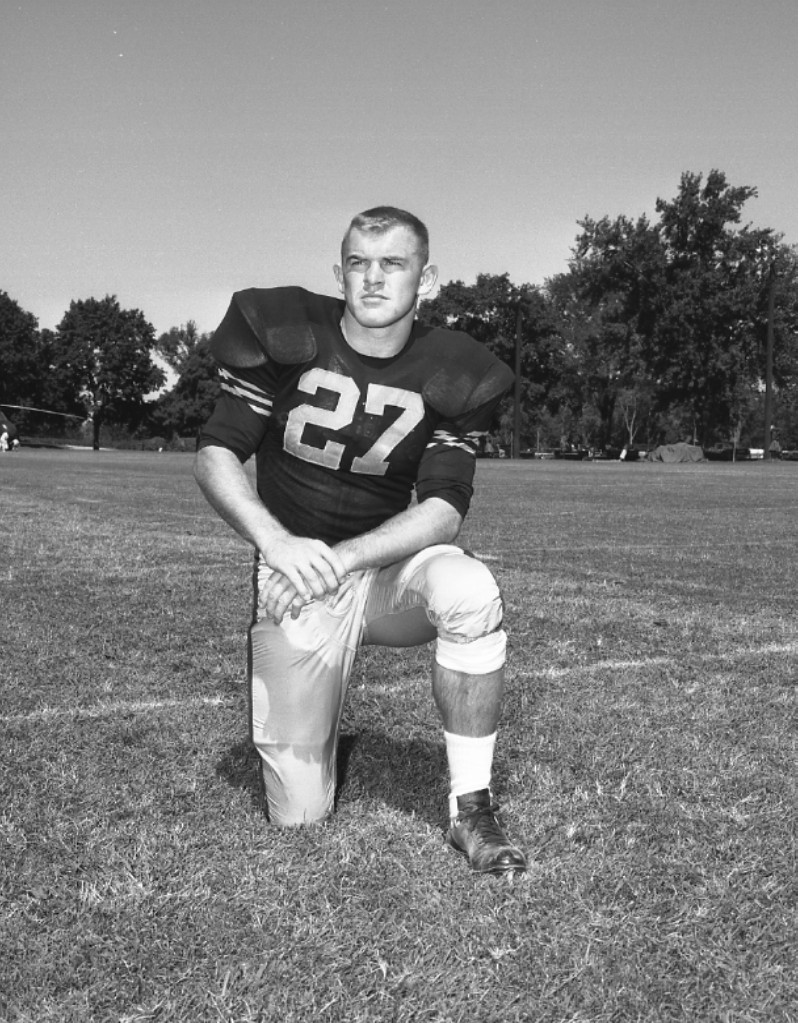 Glen Blumhardt
|
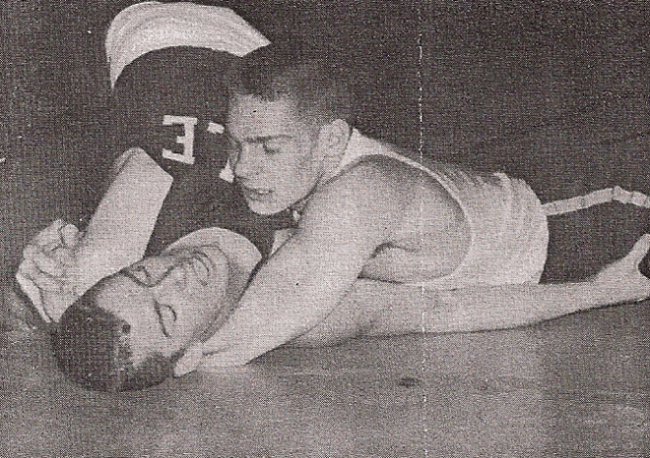 Denny Benchoff |
Ron Zinn sets Record |
Army A
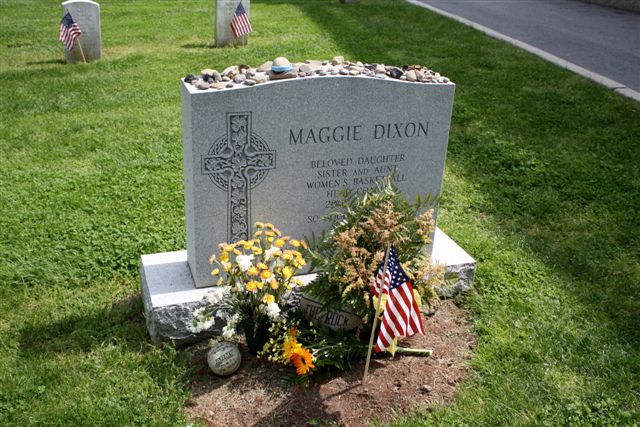
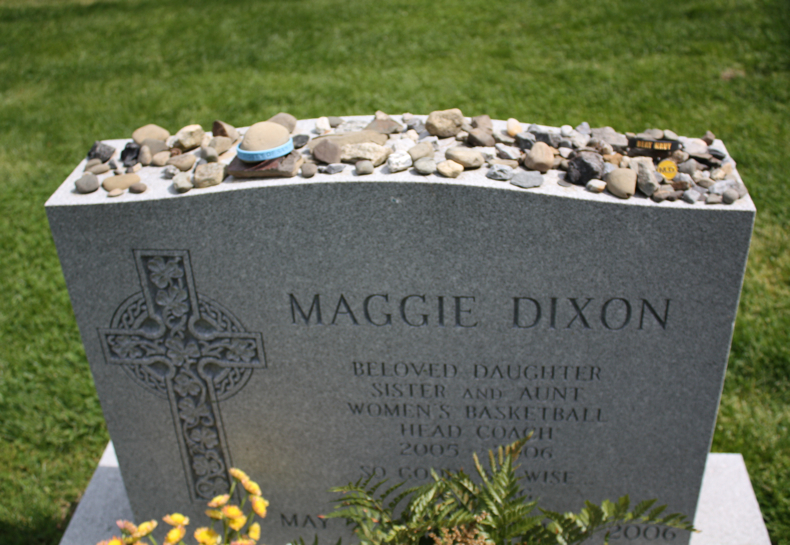
The Stones
They asked the Coach What can we do to remember her? He said gather stones from every where you go and leave them with her.
Lost to Tennesse in NCAA opening round.
Please go to The Stones and Maggie Dixon

Front Row (Sitting Left to Right): Cara Enright, Adrienne Payne, Joanne Carelus, Jen Hansen, Erin Begonia, Margaree “Redd” King, Micky Mallette, Alex McGuire, Anna Wilson, Megan Ennenga
Second Row: Ashley Magnani, Stefanie Stone, Megan Vrabel, Natalie Schmidt, Jillian Busch, Megan Evans, Courtney Wright
Back Row: Col Donna Brazil, Mary Kurnat, Dave Magarity, Craig Madzinski, Maggie Dixon, Jen Fleming, Kelly Flahive, 2LT Rejera Arnold, Sam Smay
A 20-11 Season including winners of the Patriot League Conference Tournament. They went to 2006 NCAA Women’s Division I Basketball Tournament as a 15 seed, where they lost to the University of Tennessee. It was the first March Madness Tornament appearance for any Army basketball team.
Memorial Painting Honoring Turk Griffith for Los Alamos High School Gym – – Bob Wells


Pete Pete King with ball & Bill Whitehead
|
|
|
|
|
|
|
|

West Point meets at the Quarterback
Medal of Honor Winner


The Army men’s basketball team recently received a special visit from retired Lt. Gen. Robert Foley, a Medal of Honor recipient and former Army basketball captain. Foley was accompanied by his wife, Julie.
During his visit, Foley toured the basketball facilities with head coach Zach Spiker before speaking with members of the Black Knights in the team room which includes his photo on the wall celebrating former players’ success after West Point.
Foley spoke to the group about his career and staying connected with the program, recalling his experience witnessing Army’s win at American on Feb. 23. His point of emphasis was the value of respect, something that has played a key role in his career.
Upon returning to West Point as the 63rd Commandant of Cadets in 1992, Foley added “Consideration for Others,” which is now called, “Respect” to the West Point list of core values.
His initiative developed into an Army-wide program, and still remains a vital part of the cadet leadership development instruction at West Point.
Foley, a 1963 graduate, received the Medal of Honor during the Vietnam War for his efforts on Nov. 5, 1966 while serving as commander of A Company, 2nd Battalion, 27th Infantry, 25th Infantry Division.
During a rescue mission, his company came under fire and suffered severe casualties.
He assisted two wounded radio operators to safety so they could receive medical aid before picking up the machine gun of a fallen Soldier.
He directly assaulted the enemy gun locations, taking out three of them himself. Foley and his company withdrew after the group he was sent in to assist was extracted.
A 2009 West Point Association of Graduates Distinguished Graduate Award winner, Foley now serves as the director of Army Emergency Relief, a private non-profit organization which provides financial assistant to Soldiers, retired military personnel and their families.
“It was a great honor to welcome Lt. Gen. Foley and have him spend time with our players,” Spiker said. “His accomplishments truly make him a hero among heroes. Our players can’t help but become better people and cadets after listening to and applying his message.”
“We want to give our players as many unique experiences as possible during their time at West Point, and getting the chance to shake the hand of a Medal of Honor recipient, one who has worn the same basketball uniform they do now, certainly fits that criteria,” he added.
Foley was a three-time letter winner, serving as team captain during the 1962-63 season.
As a senior, he averaged 9.9 points per game and led the team in rebounding with 7.4 boards per contest.
West Point Class of 1955, Army Football & Golf Teams, Commandant of Cadets 1979 – 1982.

“Freddie Attaya” ’54 – FB & Punter; Tommy Bell ’55 – LHB; Ralph Chesnauskas ’56 – RG (played the entire game – 60 minutes, kicked the 2 extra points); Cockrell – LHB; Bob Farris ’56 – RT, “Howard Glock” ’56 – LT, “Jerry Hagan” ’55 – QB, Don Holleder ’56 – RE; Krause – RT; Lapchick – LE; Lasley – C; “Gerry Lodge” ’54 – FB, RHB; Def G & LB, “Leroy Lunn” – LG; Ordway- LE; Melnick – LT; Bob Mischak ’54 – LE, Lowell Sisson ’54 – RE, “Norm Stephen” ’54 – C, Pat Uebel ’56 – LHB, Peter Vann ’56 – QB, “Mike Zeigler” ’54 – RHB, “Dick Ziegler” ’54 – LG, ” Joe Franklin” ’55 – RG (Tore up right knee when doubled teamed by Ralph Torrance & Eddie Meadows in 2d Quarter – Out for the Season)
In the 1953 Duke Game Joe tore up right knee when doubled teamed by Ralph Torrance & Duke’s All American Eddie Meadows in 2d Quarter. He was out for the Season. He returned for the 54 season playing against Duke at Duke. He lettered in Football & Golf — perhaps the only Army Guard to ever letter in Golf.
http://forwhattheygaveonsaturdayafternoon.com/wp-teams/football/1953-football
Col Blaik rotated the pulling guards (Vince Lombardi said he learned it with us), so Joe played both right and left guard along with Chester, “LeRoy Lunn”, and “Dick Ziegler”. In ’54 “Flay Goodwin” and “Joe Bishop” took Lunn and Ziegler’s place. Joe played all 60 minutes in the ’54 Duke game, which Army won pretty handily at Duke. The Team flew down around Hurricane Hazel which devastated the North Carolina Coast, wiping out nearly all of Oak Island.
“Pulling Guards were a staple of that period in Col. Blaik’s era. “Vince Lombardi” was one of his most ardent disciples, having been one of the Seven Blocks of Granite at Fordham in the thirties. We all saw this later in the play of his offense at Green Bay. Curiously, Vince was the backfield coach, and was famous among the backs for his “slave-driving” training regimens. Every now and then, he would take over the linemen’s drills if one of our coaches was detailed to scout elsewhere. We all thought Vince was a fun, easy-going guy because he couldn’t resist jumping into our drills, smacking us around without pads and enjoying every second.”

(Photo courtesy of Associated Press.)
Col Blaik was opposed to the limited substitution that the NCAA imposed during the early fifties: two subs per quarter, plus injuries, was it. He devised a system of “team substitution” by quarter, which meant 11 of us would rotate by quarter, each of us playing half the game. But this couldn’t hold up because, obviously, we didn’t have enough talent to field two competitive teams, rotating by quarters. I do recall Col Blaik saying that this was his way of telling the NCAA that their rules should allow as many men to play as possible. He believed (correctly, in my view) that the great benefit of the college game was to give as many of us as possible the chance to play at that level. Because the guards were pulling on almost every play, we were among the few who were substituted during a quarter. If one of us was hurt, we knew the assignments for both left and right guard, so there was rotation as well as substitution among the four of us who were listed on the depth charts as guards.”
Col Blaik was an avid golfer, as wasVince Lombardi. After Spring Practice, they were often out the 10-hole layout that was the WP Golf Course in the 50’s. Carney Laslie, a wonderful southern gentleman who went on to coach at Alabama, was their third. I was on the golf team, so once in awhile they would pull me in as their fourth. Vince was an excellent golfer, but his deference to Col Blaik seemed to me to border sometimes on obsequious. A round of golf with that foursome included alot of Vince’s “Good shot, Colonel” and “Great putt, Colonel.” Col Blaik did not react to blandishments, but he made it very enjoyable to play golf with him. Doc Blanchard was also an assistant coach during those years, and playing golf with him was always alot of fun for us. He was not always accurate (understatement) but could hit it darn near over Storm King Mountain.”
Joe was asked about the hiring of Coaches
“Paul Dietzel(1963-1965) invited me to be an assistant coach when I arrived at West Point in 1965 to teach nuclear engineering. I expected he would accomplish great things; he was an Assistant Coach under Col Blaik when I was playing and all of us thought very highly of him. He quit after I had been there one year, the 1965 season. (Very odd circumstances, never really understood why.) Tom Cahill took over, (again, some interesting sidelights in that selection) had a good couple of years with Dietzel’s recruits, followed by what Cahill predicted would be tough times. (Tom was a fine human being and became a good friend; there is alot more to his story.)
As fate would have it, I was picked to be the Comm in 1979 (by Andrew J. Goodpastuer – Superintendent) right after the late ’70’s cheating scandal; I was a plebe when the ’51 scandal hit. When “Homer Smith” left in 1978 we hired Saban, who also quit after 1 year, and Cavanaugh took over; much the same as Cahill did after Dietzel. In the latter two cases, the hiring process was truncated for reasons best to be discussed another day.” (Editor’s Note -some of the above is discussed in detail in the “Building Leaders The American Way” by Joseph P. Franklin – All Proceeds go to West Point)
Joe was asked if he could say more about his experience with West Point’s football coaches and provided the following:
Here’s some expanded notes on my earlier description of coaches who were at West Point when I was teaching nuclear engineering and coaching football (1965-68), and later when I was Commandant (1979-1982). This responds to your request for “history,” but as the sands of time are running away from us now, please understand that if my recollection of dates, etc., are off a year or two here and there, it’s not intentional
As you know, I lettered in football and golf and graduated in 1955. During the next ten years I trained at Forts Belvoir and Benning, served three years with troops in Germany, earned masters’ degrees at MIT in Civil Engineering and Nuclear Engineering, managed the design and construction of the Army’s first (and only) floating nuclear power plant, spent a year shutting down and disassembling a nuclear reactor at Camp Century on the Greenland ice cap, and finally was assigned to USMA to teach Nuclear Engineering in the Department of Military Art and Engineering (MA&E) in June, 1965 with the rank of Major, Corps of Engineers.
Paul Dietzel was Army’s head coach, and I had played for him in ’53-’54 when he was one of Coach Blaik’s top assistants. I recall that all of us on those teams thought Paul would be a great head coach if Col. Blaik ever retired. Paul contacted me as soon as I got back to USMA to invite me to be an assistant coach. He put me with the Plebe Team, so I was coaching under Tom Cahill. Our plebe team was undefeated that year, with some of the top talent that Army had recruited in several years: Gary Steele, Steve Lindell, Charlie Jarvis, and many other great athletes who were also great young men. All of us were very optimistic for Paul, expecting him to accomplish great things as he had at LSU before he returned to Army. But he walked away after that season. To this day I don’t know why he quit; I’ll simply have to say it was above my pay grade at the time.
The Academy leadership was caught off guard, and thus was late in starting a search for a new coach. By the time spring practice rolled around we were still without a head coach, so of necessity the plebe staff ran spring practice with Tom Cahill in charge. Bobby Dobbs, who was then head coach at either TCU or Texas Tech (as I recall), was one candidate who came to visit. He had also been an assistant when I was playing and had encouraged and helped me to make a come-back after I was injured in ’53. But the search process was just not efficient enough, so by the time he (and several others) were contacted, it was too late; all of the potential top candidates had already been signed for the next season.
The locker room for the coaches was on the second floor across from the entrance to the old central gym (where the annual obstacle course was run.) My locker was next to Tom Cahill’s, and after every practice Tom would sit on the bench in front of his locker and smoke a cigarette.

As the coaching search dragged on, he said to me one day after practice: “You know, Joe, they’re going to ask me to be the head coach and I’ll have to take the job, and I know I’ll get fired. All I really want to do is coach the plebes, stay here to watch Tad graduate, and retire around here with Bonnie.” (Bonnie was Tom’s wife and Tad was his son, who later played wide receiver for Army.) After he was named head coach, Cahill, by enormous strokes of good luck, was able to find and hire several outstanding assistant coaches, including Bobby Ward, Bill Meek, and several other very talented and experienced men to fill out his staff. In sum, Tom Cahill initially had a coaching staff that was top quality and very adept at using the talent Army could field.
The net result was that Army had a great season and Tom Cahill was named Coach of the Year after his first season as head coach. Success came from a combination of the fine coaching staff he had hired and the talented recruits he had helped bring in under Dietzel. But as Cahill himself had predicted, he was not able to sustain this success, and he and Bonnie eventually had to leave West Point after a disastrous losing season in 1973. I also have to believe that the trauma of failing and departing his beloved West Point was one of the factors that contributed to Tom Cahill’s early death.
Tom Cahill was a fine human being who knew who he was and had not one pretentious bone in his body. What follows is just one example of the quality of this good man. We had an outstanding player on the ’65 plebe team who would clearly have been a great talent when he moved up to varsity. (Freshmen could not play on the varsity in those years.) But soon after the spring practice that preceded his first year as head coach, Tom told me he had ordered that young man to resign from West Point for personal reasons. (Details omitted.) To me, that spoke volumes about the integrity of Tom Cahill. And so it was, to me, a really tragic loss for all of us when a few years later Tom Cahill resigned after what he himself had predicted would be an unsuccessful time as head coach.
Years later and alot of water under the bridge, General Andrew Goodpaster selected me to be the Commandant in the aftermath of the ”77 cheating scandal. (It was perhaps coincidental, perhaps not, that I had been a plebe when the ’51 scandal hit; I wrote about this in my book, “Building Leaders the West Point Way.”.) And just as it was in 1965 after I joined the coaching staff, Army was again searching for a new head coach. Very suddenly, “Lou Saban”, who had gained fame as a winning coach in the pro ranks, was hired. It turned out that MG (Ret.) Ray Murphy (USA, Ret.) who was Director of Intercollegiate Athletics, had met Saban by happenstance on a commercial airline flight. Gen. Murphy told me he offered Saban the job right then and he took it. “Lou Saban” knew football and how to use the talent of his teams to win, but he quit after one season (’79) and left us again looking for a new a head coach. I was directly involved in and supported the decision to hire Saban’s assistant, “Eddie Cavanaugh”, because he had recruited many of the players and was well-liked by all. His relationship with the team was a very strong factor in his favor. So Cavanaugh took over, but in the cold clarity of hindsight, he was not, in the final analysis, the right man for the job. If there is blame to be shared for his selection, I certainly accept it.
Army did not have any great winning seasons during my three years as Comm (’79-’82.). I regret that, of course, but not everyone who sits in the leadership at the Academy will enjoy the benefits of winning football seasons. It could certainly be argued that I had my share when I was actually playing, and later coaching, on the fields of friendly strife.
Last thought: To represent West Point on our football team was an experience to be treasured for a lifetime. Then to carry a great part of the responsibility for educating, training, and inspiring the Corps of Cadets was a privilege far beyond any I could ever have asked for.
God bless our soldiers and Go Army!
With warm regards, Joe Franklin
Throughout his life of service as a distinguished Army officer, scholar, diplomat, business leader, and Vice Chairman of the Board of Trustees of the West Point Association of Graduates, Joseph P. Franklin has continuously and conspicuously dedicated himself to the principles of Duty, Honor, Country.
After graduating from West Point in June 1955, General Franklin was commissioned in the Corps of Engineers and completed the Engineer Officer Basic Course, Airborne School, and Ranger School. He then reported to the 78th Combat Engineer Battalion in Germany, where he served as a platoon leader and a company commander until 1959. In 1959, he was selected to attend MIT, where he earned Master’s Degrees in both Civil and Nuclear Engineering.
Following graduate school, General Franklin was assigned to the Army’s Nuclear Power Field Office as part of the Army Nuclear Power Program. In this assignment, his initial role was project manager for the design of the world’s first floating nuclear power plant. His second task was to lead a team of specialists to dismantle a portable nuclear power plant located on the Greenland icecap, and to salvage and return its highly radioactive components to the United States. General Franklin accomplished both of these unique and incredibly complex missions to perfection.
Following completion of the Engineer Officer’s Advanced Course, General Franklin was assigned as an instructor in the Department of Military Art and Engineering at the Military Academy. He took charge of the Nuclear Engineering course, and wrote a new full year curriculum in nuclear engineering for First Class Cadets. His accomplishment with this course remained essentially unchanged for 40 years, until 2005, when it was expanded to become a Major Course of Study.
After his assignment at West Point, General Franklin completed a year of study at the School of Naval Command and Staff at the Naval War College. In 1969, he was selected to command the 299th Combat Engineer Battalion, conducting combat operations in Vietnam and Cambodia. For his superb leadership of this battalion in combat, he was awarded the Legion of Merit and the Bronze Star Medal.
General Franklin’s follow-on assignment from Vietnam was to the Office of Plans and Policy, the J-5 of the Joint Staff. There he used his nuclear training and field experience to write the study that was the basis for recasting the United States’ nuclear weapons arsenal under the Strategic Arms Limitation Talks (SALT). While in that assignment, General Franklin was selected for attendance at the Army War College in 1972. Shortly before his graduation, he was reassigned to be the Army Staff Group Executive for the Chairman of the Joint Chiefs of Staff. For his outstanding performance in this important position, he was recognized with a second Legion of Merit and the Joint Service Commendation Medal.
In 1979, Joe Franklin became one of the first members of the Class of 1955 to be promoted to Brigadier General, and soon afterwards was selected to be the Commandant of Cadets at West Point. It was a turbulent period in the Military Academy’s history. A serious cheating scandal had brought intense scrutiny to the institution, and West Point was also preparing to graduate its first class with female cadets. With recommendations from a Blue-Ribbon panel, General Franklin worked with the Cadet Chairman of the Honor Committee to develop the initiatives that shaped new policies strengthening the Honor Code and Honor System. Another of his highly successful innovations was persuading the Army’s personnel center to assign one senior non-commissioned officer as the “Tac NCO” for each cadet battalion.
Following a tour of duty as Assistant Division Commander of the 25th Infantry Division in Hawaii in 1982-83, General Franklin’s special talents earned him another call from the Joint Chiefs of Staff to take an important assignment as Chief of the Joint US Military Assistance and Advisory Group in Spain.
Spain was poised to become a member of the European Economic Community when he arrived. This new democracy had just entered NATO, and many critical diplomatic and military issues had to be addressed and resolved. Using his great interpersonal skills, General Franklin was instrumental in ensuring that Spain would become an important partner for peace. When his tour of duty ended, he was awarded Spain’s highest decoration for military service and the US Army Distinguished Service Medal.
Following his retirement from active duty in 1987, Joe Franklin entered the world of business in the private sector. Initially remaining in Spain, he began his service in the corporate world by forming a Spanish corporation, Franklin Sociedad Anonima, which consulted for US corporations seeking business in Spain, as well as for Spanish companies seeking business in the United States. In 1992, he was recruited to lead Frequency Electronics, Inc., located in New York. Serving as Chairman and CEO, he led FEI through a complex series of legal and administrative transactions that positioned the company to become a highly profitable and valuable contributor to the US defense, space, and telecommunications industries. He stepped down as CEO in 1999, but remains Chairman of the Board.
Building from the broad array of personal and professional skills he had honed through both his military service and his private business career, Joe Franklin made a conscious decision: he would turn his attention, and his impressive talents, to giving back to West Point. He began his contributions to the Association of Graduates in 1993 with service on the Alumni Support Committee. He was subsequently elevated to the Board of Trustees, appointed Chairman of the Alumni Support Committee, and was finally elected Vice Chairman of the AOG, where he served for four years. In this capacity, he was a driving force behind the Bicentennial Campaign for the Military Academy, helping structure, guide and lead the AOG development team that made the Bicentennial Campaign an unprecedented success: exceeding its $150 million goal by $75 million. He was also instrumental in orchestrating the many changes necessary to bring governance of the AOG into the 21st century and into compliance with the new statutes associated with not-for-profit organizations.
Thoughtful, forthright and modest, Joe Franklin is the epitome of a professional. He has repeatedly proven his dedication to the ideals of West Point in the 52 years since his graduation. As a Soldier, businessman, and leader of the Association of Graduates, he has made all graduates proud to call him a West Pointer. In short, Joe has been, is, and will continue to be a leader’s leader.
Accordingly, the Association of Graduates takes great pride in presenting the 2007 Distinguished Graduate Award to Joseph P. Franklin.

Cadet will not Lie, Cheat, Steal, or Tolerate Those Who Do

USMA at West Point

We have changed the wording of our Alma Mater to reflect the fact that our Women Graduates have also given their lives serving this Nation.
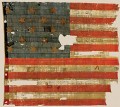
Our Flag in 1812

----- Class of 2012 Motto ------
"For More Than Ourselves"
Thank you Class of 2012 for the Honor of Marching with you The Class of 62 - Can Do

Remember - The Soldiers you will lead Always Come First

Motto -- Duty Honor Country

The Cadets of West Point

They played perhaps Army's Greatest Game. They were the Team that Gave The Most

Washington's Letter recommending the establishment of the Academy and the History of West Point

The Oaths We Take

West Point's Medal of Honor Recipients

Jefferson Hall - the Academy's new Library.

Douglas MacArthur

Vinegar Joe Stilwell cleaning his Thompson -The Walkout -Burma 1942

George Patton

The Monuments of West Point

Kosciuszko Monument - Guarding the Hudson ensuring there is no passage of British Man of War

Forts of the Hudson

So we'll sing our reminiscences of Benny Havens, Oh!

Academic Excellence

Colonel Thayer

West Point

Trophy Point

"L'Ecole Polytechnique Monument", or The French Monument by Cadets

Superintendent's Quarters viewed from Thayer Road

Superintendant was not Happy Black '57

Home of the Dean

Quarters 104

Cadet Chapel

Michie Stadium

Arvin Gym

Kimsey Athletic Center

Holleder Center

Washington Monument

United States Military Academy Band

Cadet Barracks

Rugby Complex

Great Chain

Plain looking toward Washington Hall

Battle Monument

Washington Hall with Cadet Chapel on rocks above

Hudson River

Captured Trophies

Battle Monument

West Point Cemetery

Plain

Cost to this Nation of Differing Views

Trophy Point -- Our Flag

Corps of Cadets Formed in Companies early 1960s

Sending the Army Team off to Beat Navy

Army Mule

Color Guard

Band Box Review Early 1950's in Central Area

Battalion Mass Early 50's

Flirtation Walk

Class of 2008 Class Crest & Motto "No Mission Too Great" Their Commencement "Here am I; Send me."
Thank you Class of 2008 and Please Thank the Men & Women --- the Soldiers you will lead --- The Class of 62.
Duty Honor Country
The '54 Crest

28th Infantry Regiment Black Lion Award is intended to go to the person on his team "who best exemplifies the character of Don Holleder: leadership, courage, devotion to duty, self-sacrifice, and - above all -
an unselfish concern for the team ahead of himself."
"The Army moves as a team, eats as a team, and fights as a team."

The '55 Crest

Don Holleder Remember - The Soldiers you will lead Always Come First

Vann and Holleder

9 Army A's

The '56 Crest

The '57 Crest

Can Do

Gen Van Fleet addressing the Corps prior to the Navy Game

Constructed under supervision of Jay Gould "54 and the Ord Dept from a German Rocket Gun captured at Kasserine Pass. First used in the Duke Game.

COL "Red" Reeder granted the Cheerleaders Corps Squad status to obtain financial support for their spirit-inducing initiatives.

Bob Mischak - - It should be pointed out that Bob was an All American selection, but is not recognized by the Academy as such because of the organization which selected him.

Ubel scores 3 Times against Navy - Vann's facking results in Peter getting tackled - #10 on the ground behind Ubel

Vann to Sisson

Army's B Squad

Vann to Mischak.

Uebel Intercepts

Cody to Don Holleder

Lasley

Frank Hicks

Burd

Bill Purdue

Cody

Meador Mgr

Ron Melnick

Ralph Chesnauskas

Pat Uebel

Tommy Bell

Sisson headed for another score

Peter Vann stuffs the ball in Jerry's gut

Leroy Lunn & Jerry Lodge

Uebel after taking the handoff from Hagan

Attaya - Army's Fullback

Sisson - one of 3 Great Ends
Bob Mischak

Ralph Chesnauskas

Bob Farris

Vann moving out of the pocket

Peter Vann 10, Billy Chance 38, Herdman 68

Ken Kramer

Joe Lapchick

Kirk Cockrell

Lodge going down tosses to Paul Schweikert for score.

Dick Zeigler

Bob FarrisPlayed the 2d half of the Navy Game blind in one eye.
Pat Uebel
Tommy Bell

Peter Vann

Freddie Attaya

Mike Zeigler

Jerry Lodge wearing #67, playing fullback.

Johnny Wing

Lowell Sisson

Norm Stephen

Jack Krause

Dick Ziegler

Jerry Lodge

Leroy Lunn

Norm Stephen

Jerry Lodge

Corps of Cadets for Navy Game
Can Do
"The Army moves as a team, eats as a team, and fights as a team."
The '54 Crest
The '55 Crest
28th Infantry Regiment Black Lion Award is intended to go to the person on his team "who best exemplifies the character of Don Holleder: leadership, courage, devotion to duty, self-sacrifice, and - above all - an unselfish concern for the team ahead of himself."


 What he said to us and why we have it today


 Narrative History of the West Point Class of 1862 “
 West Point Class of 1962
 Bringing Labor & Management together to assure a Stable Future
 By
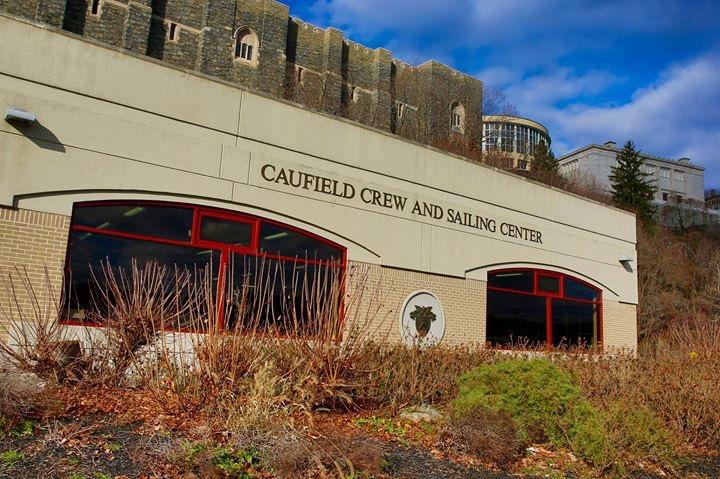 62 Room