Category Archives: Army Greats

Wayne Wheeler

Jacob Holly

3 Army A’s in Football

Continue reading →

Ron Chisholm

’62’s Last All-Time Record Holder

In his final year, Ron Chisholm held opponents to 2.18 goals per game, an Academy record that has stood for 46 years. This was the last Academy individual or team record belonging to the Class of 1962.

Ron had a sensational career but this writer is only now realizing it.

His 50 career wins in goal is third all-time and put him first by 13 wins at graduation.

His 1639 career saves is 11th all-time but was first by 41 saves at graduation.

His career goals-against average of 2.53 is 4th all-time but was first by about a full goal at graduation.

His career save percentage of .905 is fifth all-time but was tops at graduation.

His ten career shutouts is second all-time but was first by six shutouts at graduation.

In addition to his all-time record for goals-against per game in First Class year (now 2nd), his Cow year mark is still 9th best and his Yearling year mark is 13th. Ron stood first, second, and third in this category at graduation!

His save percentage in his last year puts him second all-time but he was first at graduation.

His five shutouts First Class year puts him second but first at graduation.

He received the Henry “Hal” Beukema Award as the most valuable player on the hockey team in 1962.

By my count, then, Ron Chisholm held ten all-time Army hockey records when we graduated. That includes most wins in a season -17 (twice – 60-61 and 61-62). Ron also held the most saves in a season at around 605 (exact number not available). Was it just me who did not know this?

The hockey media guide is a good one and mining this Ron Chisholm data from it resulted in the discovery of a very interesting sub-story, one that might support a mini-series.

The goalie for the 1962-63 season was Jack Shephard,Class of 1963. The year after that, the goalie was Neil Mieras, Class of 1964. So each of those guys got to start in goal for one year. Well, Shephard eclipsed Ron in three of the all-time goalie records and Mieras tied him for another! These three goalies put together a five-year run of excellence unequalled in the annals of Army hockey history.

So visualize Shepard and Mieras, top goalies, riding the bench for two full years waiting for the man ahead to graduate. There is a story there and I hope someone will come forward with it.

Mack Howard

Mack & Eloise Howard
There is a photo of the best lacrosse shot Butch Darrell has ever seen in our Howitzer – Mack leaping into the air, twisting hard to his left, stick high in the air ready to execute a shot on goal.   Appointed by Ronald Reagan years ago (for life – which he will honor) as US District Judge for Eastern NC and is now Senior Judge. In addition recently stepped down having served 7 years on the Foreign Intelligence Surveillance Court (dealing with “spies and terrorists)

Jim Andress

Jim & Lyn Andress

Indoor Track Plebe Year, Fencing Club

JAMES G. ANDRESS  1962

Cullum No. 24193-1962 | March 11, 2008 | Died in Lake Forest, IL
Interred in Lake Forest Cemetery, Lake Forest, IL

We—family, friends, the Long Gray Line, the business world—suffered a grievous loss with the passing of James Gillis Andress, age 69, on 11 Mar 2008. Here was a man loved and respected by all who knew him, even casually, whose mainstream America roots provided little hint of what he was to become.

Born in Hamlin, TX, he grew up in Gardena, CA, and graduated from Gardena High School before attending nearby El Camino Junior College for a year and a half. He entered the Academy with the Class of 1962 as an appointee of the Honorable Cecil R. King, 17th District of California.

As a cadet, he recorded Air Force and Artillery as his preferences after graduation, but Air Force billets were parceled out in quasilottery fashion, and Jim missed out. So he became an enthusiastic member of the Queen of Battle, breezing through the Infantry Officer Basic, Airborne, and Ranger Schools before joining the 1st Battalion, 5th Infantry, Bobcats at Schofield Barracks, HI, and commanding C Company for all of 1966 in Viet Nam. His leadership, “personal valor, courage, and determination” earned him the Bronze Star Medal for Valor and the Combat Infantryman Badge.

In 1968, now with his wife and children, Jim left the Army to begin a career in business, earning a Master of Business Administration degree from the Wharton Business School, University of Pennsylvania. The next 30 years found him leading major business units of giant corporations and serving on perhaps a dozen boards of directors of other major corporations before retiring in 2000 to travel and enjoy the company of his wife and family.

Jim is survived by his wife Carolyn of Lake Forest, IL; daughter Carolyn of Melbourne, Australia, and her husband, Charles Hough, and their children, Charles, Eleanor, and Frances; son Andrew of Lake Forest and his wife Megan and their children, Isabelle and Charlotte; daughter Sarah of London, England, and her husband, Michael Alexander, and their son James; brother Steven Andress of Lexington, MA; and parents James and Ruth Andress of Abilene, TX.

This accounting of the bare facts of Jim’s life reveals little of the man. Let a friend tell it: “Such a one of a kind man taken from us by a one of a kind cancer. In every circle in which he traveled, I wager he was most loved. I know it to be true for Company B1, USCC. When Jim entered a room, conversations would stop, smiles would appear, furrowed brows would relax, morale would improve, and our cares, so important just moments earlier, would give way to wondering what Jim had for us this time. He was a man of letters, doing his best work as a cadet in English and Law, at an institution that tolerated but did not reward success in these areas. I cannot vouch for all his exploits but think them all possibly true. Did he run for high school student body president and deliver a campaign speech before an assembly that consisted entirely of shooting the school principal with a blank pistol? Maybe. Did a glob of oatmeal the size of a golf ball spill from the inside of his necktie when, as a plebe, he was commanded to “P.D., Mister Andress!” Yes. Did he ask a belly dancer at the Port Said Club to the Ring Hop? Yes. Was he a member of the elite Century Club, the only requirement for membership in which was walking 100 or more hours on the area? If not, how did he avoid it; he was not a slave to Regulations, USCC. Did he and his friend Chris Stanat defenestrate the contents of each other’s wall locker in full view of the Company Tactical Officer? Yes, and both paid dearly for their impulse. Did this funny, kind, generous man go on to head up such corporate units as Abbott Labs, Sterling Drug, Beecham Pharmaceuticals, Information Resources, and Warner Chilcott? Yes. And did he serve on the boards of AOL, Genetics Institute, Liposome, OptionCare, Allstate, DadeBehring, Sepracor, Xoma, and Warner Chilcott? Yes.” And did he break a tie vote by the board of America On Line by voting “no” to the idea of collaborating with Microsoft? Yes.

And from another friend: “I once flew to New York from Hawaii to spend a week with Jim. I got off the bus from Newark outside his office. He was waiting for me on the corner, and, as I walked across the street, he was in an altercation with two guys who had been verbally beating up on some teenage girl standing on the corner. They were threatening to beat him up if he didn’t shut up. I caught Jim’s eye, and we both starting laughing. I expected him to get into his ‘Ranger stance’ any second. Since the odds had evened and the two old guys were laughing, the other two walked away with a few comments about our genders or family histories.”

From a third: “[Jim] was an exceptionally intelligent and humorous individual. He was certainly unique and had a capability of separating that which is important from that which was really immaterial. I consider him to be a true realist.”

Perhaps most importantly, it can be said that this realist made everyone feel like you were his best friend. And this gives us a clue how he was able to pull off his greatest accomplishment: persuading a blind date from the Michigan football trip in 1961 to marry him. Jim would credit his beautiful and classy Carolyn (Lyn) for much of his success. We all heard him say so more than once. Now we are left to treasure his memory, assisted, we hope, by frequent encounters with Lyn and the children. May that memory be second only to his presence. Rest in peace, friend. Your life serves to make us proud of West Point.

—Family and friends in Company B1

Jack Macmull

Earned an Army A as a member of the 1949 Football Team.

Running Back, kicked extra points.

Teammates

Arnold Galiffa

“Floyd Stephenson”

Jim Irons

“Charles Galloway”

“John Foldberg”

John Trent – Team Captain

http://www.cantho-rvn.org/avn/164-CAG-History.html

http://www.socnet.com/showthread.php?t=101662

http://www.army.mil/aviation/profiles/index.html

http://en.wikipedia.org/wiki/XVIII_Airborne_Corps_(United_States)

http://www.armytimes.com/news/2011/06/gannett-army-campbell-3-star-left-mark-on-aviation-062111/

Below is a nice read

http://books.google.com/books?id=72-Myo8_aKYC&pg=PT46&lpg=PT46&dq=Jack+Mackmull&source=bl&ots=aXiMo8uyno&sig=hY0mO-efbByMCGwJkPkajM7aQag&hl=en&ei=BipaToelB6Xm0QHDnNl1&sa=X&oi=book_result&ct=result&resnum=1&ved=0CBUQ6AEwADgy#v=onepage&q=Jack%20Mackmull&f=false  

http://www.lzsally.com/archives/history_of_the_101st_airborne_di.htm

http://books.google.com/books?id=j_YI1kVOrpwC&pg=PA67&lpg=PA67&dq=Jack+Mackmull&source=bl&ots=pc0zvVu-Lh&sig=2XfeQHqgUX2DDH7zBWUrq16c2Wc&hl=en&ei=DydaTojXJsy20AHu1ayTCQ&sa=X&oi=book_result&ct=result&resnum=9&ved=0CEcQ6AEwCDge#v=onepage&q=Jack%20Mackmull&f=false

http://defender.west-point.org/service/display.mhtml?u=17911&i=46766

http://defender.west-point.org/service/display.mhtml?u=17911&i=46802


Dave Phillips

Dave & Sharon Phillips

62’s Sports Historian

Dave did not have the skills in the early 60’s to make the Basketball or Baseball Teams, however he does have the skill today to wear a Braves Uniform.
None attended more Athletic events than Dave while also involved in 6 Clubs. Master of Science RPI, West Point Math 69 – 72, Dean 77-88.  No one in ’62 and perhaps most Classes spent more time supporting Army Teams than Dave.

Mike Crabtree

11/18/1967  Mike Crabtree, Wife Lynne and Daughter Chris 
Football Plebe Year – Numerials

Company Commander 4/503 Infantry, Killed in Combat 18 November 1967. Glen Blumhardt arranged for Classmates attending the Infantry Advance Coarse to fly to West Point for Mike’s Burial. It Hurt.

MICHAEL A. CRABTREE  1962

Cullum No. 24340-1962 | November 18, 1967 | Died in Vietnam

Interred in West Point Cemetery, West Point, NY

Mike must have reminded his teachers at Cleveland High School in Portland, Oregon, of a German shepherd puppy when he was growing up, because even after he was fully matured, his bones still sprouted out into heavy hands and feet. He was physically overpowering—standing over six foot four, with wide shoulders and narrow hips, he looked the athlete he was. A veteran of many football practices, he was nearly a major league baseball pitcher also (a touchy subject which he would never discuss). His taste for athletics was extremely catholic; after his intercollegiate hopes were frustrated by injuries, he managed to cauliflower an ear playing “hall ball” in the “West Point Hilton” (the old West Academic Building which became the first set of barracks at the Academy with real corridors).

Mike had a devastating air of well scrubbed schoolboyishness around women which was in opposition to his huge file of Playboy magazines. He had a kind of John Wayne appeal, but big as he was, there was a certain air of fragility about him. He was instantly ready to fight for the pure pleasure of it, but he was also the most easily injured among his friends. It was Mike who ran headlong into the goal post at Fort Benning . . . it was Crabtree who had his leg partially crushed between two cars by a slightly tipsy buddy . . . it was Mike who carried a dirty mouth guard and a baseball bat in his car “just in case.”

Crabtree went airborne after graduation, and he logged a total of seventy-seven jumps to back up his Master jump wings. Being a paratrooper was instinctive with him. For Mike, there were not fifty-seven varieties of fighters. There were only two. There was the infinitesimal minority who really attack and the others. Paratroops attack.

Mike inherited an honest, simplistic code for living from his dad, a tough Portland police lieutenant who boxed his way through college. As General Robert A. Linvill’s aide, he showed that he could handle himself very gracefully in any social situation, but his likes and dislikes were never muddled. He guarded a down to earth approach to people and problem solving which made him a very effective troop leader and which would have made him a superior general officer. His troop sense was not studied. It emanated from his whole composition. He communicated his personality to others. General Bruce Palmer captured a bit of his spirit and his fate when he autographed a picture to Mike in Santa Domingo, Dominican Republic, in July 1965: “To Lieutenant Mike Crabtree with my admiration and esteem for a fine soldier who is marching to the sound of the guns. Keep your head down in Vietnam. The best of luck and Happy Landings.”

Mike marched to the sound of the guns at the head of his airborne rifle company, and was there slain by those guns. He had already fought for his flag in the Dominican Republic and in Vietnam when he volunteered to return to combat. He knew the score when he applied. He had been permanently deafened in one ear during his first tour in Vietnam by a command detonated mine which narrowly missed killing him. Still, he left Lynne to care for Christine and Jay while he marched off in the awesome tradition of all our nation’s heroes. It was life rather than courage which abandoned him within the mountainous Annamite Cordillera, in the former French protectorate of Annam, near a village called Dak To.

Why did he choose to go? This is as inexplicable as the fact that Lynn found her wedding veil twined in the strap of an airborne helmet when she unpacked their household for the last time. I suppose it was a feeling rather than a reason that drove him back. A sentiment which is reflected in the Scottish National War Memorial in Edinburgh Castle, Scotland:

They shall not grow old as we that are left grow old

Age shall not weary them nor the years condemn at the going down of the sun

And in the morning we shall remember them

Whether their fame centuries long should ring they cared not over much

But cared greatly to serve God and the King

When Infantrymen gather and discuss one another, the harshest test they demand of each other is to ask: “Well, would you want him on either your right or your left in combat?” With Mike Crabtree the answer came easily. It was an honor to have him by our side. Now, Lord, we respectfully commend him to Yours.

Captain Crabtree is survived by his wife, Lynne; their two children, Christine and Jay; and his parents, Mr. and Mrs. Andrew F. Crabtree. His awards and decorations include: the Bronze Star Medal (with two oak leaf clusters), the Purple Heart with cluster, the Air Medal, the Army Commendation Medal, the Combat Infantryman Badge, the Expert Infantryman Badge, the Master Parachutist Badge, the Ranger Arc Tab, and the Republic of Vietnam Gallantry Cross with Palm.

—Alan P. Armstrong ’61

Dave Phillips – – Christine the B1 guys will talk your ear off at the 50th as your dad was legendary. One story he told me was when he got injured at plebe football practice and was being carried off on a stretcher, he saw his teammates coming over to him and thought, “What a wonderful gesture. All my buddies coming over to see if I am ok.” When the others got to Mike, all they did was scavenge his helmet, shoes, and hip pads.

Tommy Bell

Earned 4 Army A’s in Football, All American 1954

http://www.facebook.com/media/set/?set=a.203055933073740.53005.199836043395729#!/pages/Tommy-Bell-1954-Army-Halfback-All-America/199836043395729?sk=wall&filter=2

Work Area

Leroy Lunn & Col Blaik Prepare for the Season.


Bill Perdue

Rox Shain


Frank Hicks

Col Red Redder


Bill Perdue

Jerry Lodge converted from Guard to Fullback

Cheerleaders standing, left to right: Ed Moses ’54, John Clayton ’55, Al Worden ’55, Billy McVeigh ’54, Jay Edwards ’54, Bill Robinson ’55; Tumblers in front Peter Jones ’54, Dan Ludwig ’55, Jack Charles ’54, Charles Glenn ’56. Others – Jay Gould & Ben Schemmer ’54 and Alex Rupp ’55

Deitzel, Lombardi, Bevan, UNK, Dobbs, Col. Blaik, Laslie, Amen

Norm Stephen

Rox Shain

Frank Hicks


Cheerleaders standing, left to right: Ed Moses ’54, John Clayton ’55, Al Worden ’55, Billy McVeigh ’54, Jay Edwards ’54, Bill Robinson ’55;

Tumblers in front Peter Jones ’54, Dan Ludwig ’55, Jack Charles ’54, Charles Glenn ’56. Others – Jay Gould & Ben Schemmer ’54 and Alex Rupp ’55

Deitzel, Lombardi, Bevan, UNK, Dobbs, Col. Blaik, Laslie, Amen


Bill Perdue

Jerry Lodge converted from Guard to Fullback

Cheerleaders standing, left to right: Ed Moses ’54, John Clayton ’55, Al Worden ’55, Billy McVeigh ’54, Jay Edwards ’54, Bill Robinson ’55; Tumblers in front Peter Jones ’54, Dan Ludwig ’55, Jack Charles ’54, Charles Glenn ’56. Others – Jay Gould & Ben Schemmer ’54 and Alex Rupp ’55

Deitzel, Lombardi, Bevan, UNK, Dobbs, Col. Blaik, Laslie, Amen

Norm Stephen

Rox Shain

Frank Hicks

Jerry Lodge converted from Guard to Fullback
Norm Stephen

Norm Stephen

1953 Team Roster

The Gray Border on the right is not part of the 20×24 Roster.

The 1953 Football Season

Prior to the Duke Game the Cheerleaders imposed a “Silence” upon the Corps of Cadets after the traditional sendoff of the team. When the Corps completed its subdued, strangely silent, pregame march-on at the Polo Grounds, and the last man double-timed onto the first step of the stands, the Corps of Cadets exploded out. They shook that old stadium almost non-stop in the sunshine and shadows of that Indian summer afternoon.

“The Savage Cheering of Go! Go! Go! from the West Point Stands, Placed our Team in a Nervous Fright of Tension and Jitters” – – Worth Lutz, Duke Quarterback.

“With Spirit like that I don’t see how you can lose” – – Steve Owen, Coach of the New York Giants.

Col. Blaik – – “For two years these boys had seen the roughest action. They had lived with the coaching lash, dirt, blood, and defeat.”

“By the time the season got down to the Penn and Navy games, the starting eleven and about four substitutes carried the full load.”

The Lambert Brothers presenting the Trophy to Leroy Lunn Honoring the Corps of Cadets and The ’53 Team Washington Hall West Point, Dec 1953. Gen Van Fleet Class of 1915 Navy Game Rally.

Bob brings down Duke’s All American Red Smith after a 73 yard run – It was a Game Saving, a Season Saving Tackle. Billy’s Entry into Washington Hall. The Army B Squad.


Class of 1954

15 Rox Shain, QB(2)

21 Bill Purdue, HB

24 Paul Schweikert, HB

30 Kirk Cockrell, LHB

32 Jerry Lodge, FB(16)(17)

48 Freddie Attaya,FB(3)(10)

51 Norm Stephen, C(5)

52 Ken Kramer, C

60 Leroy Lunn, G(6)(14)

62 Dick Ziegler, G(7)(14)

75 Frank Hicks, T

79 Jack Krause, RT

82 Joe Lapchick,LE

83 Lowell Sisson, RE(4)

87 Bob Mischak, LE(1)(18)(19 1953)

(1) Pursuit & Tackle photo is on left. (2) Yanked off the Cadet train,he suited up, kicked off, Stephen’s brutal hit and Sisson’s recovery was the start of the Navy Game.

(3) 3d and 7 against Duke – Lombardi yelled “Run the Gauntlet” – he did. Attaya was lost for the season during the Tulane Game.

(4) Lowell accepted responsibility for the Northwestern loss – having been switched from end to half back and then back to end, he was still trying to grasp the complexities of the defensive schemes. NCAA rule change required a return to Iron Man Football.

(5) Team Captain.


L to R – – Bobby E. Chapman, George E. Perrin, & Richard Jan LeCroy


Class of 1955

16 Jerry Hagan, QB(8)

31 John Wing, HB

37 Fred Kniereim, FB

38 Bill Chance,E

46 Tommy Bell, LHB(19 1954)(20)

58 Ed Zaborowski, C

65 Joe Franklin,G(9)(10)(14)

68 Larry Herdman, G (1)

74 Paul Sullivan, T

85 Godwin Ordway, E(10)

(6) Against Dartmouth, in response to stinging criticism from Col Blaik – he lit a small but growing fire in the team and Corps of Cadets – when at the start of the 2d half he broke from the huddle and ran, almost sprinting to the ball, prompting the team to follow his lead. The roar of approval and support from the Corps each time Norm broke and ran to the ball set the tone for the Season.

(7) His charges took on up to 3 Duke blockers.

(8) Directed First Drive Against Duke.

(9) Doubled Teamed by Ralph Torrance & Duke’s All American Eddie Meadows – Out for the Season.

(10) Out for the Season.

(11) In the grasp off Duke’s All American Tackle – Eddie Meadows, Peter shifted the ball to his left hand, tossing to Attaya for the 1st Down.

(12) Pat scored all 3 Touchdowns against Navy.

(13) Guards played both L & R side.

(14) Kicked Extra Points.

Jerry Lodge converted from Guard to Fullback Norm Stephen

Class of 1956

10 Peter Vann, QB(11)(19 1954)

11 Bill Cody, QB

12 Russ Mericle, QB

22 Mike Zeigler, RHB(10)

25 Jerry Wynn, HB

33 Frank Burd, FB

34 Pat Uebel, LHB(12)

54 Paul Lasley, C

55 Bob Farris, RT(13)

64 Don Shannon, T

66 Nick Bruno, G(14)

63 Ralph Chesnauskas G (14)(15)(17) (19 1954)

70 Ron Melnick, T

71 Howard Glock, LT

84 Don Holleder, RE(19 1954)

(15) Played 2d half of Navy Game blind in one eye.

(16) He was on ground when the runner went by, then he saw Bob come out of no where, he never has seen anyone run as fast catching Duke’s Red Smith 73 Yards from the line of scrimmage.

(17) Played 60 Minutes against Duke.

(18) For over 10 years the story of Bob Mischak’s tackle against Duke was part of West Point’s Military Psychology and Leadership Course – as an example of the power of motivation.

(19) All American

(20) Earned 4 Army A’s in Football

Rox Shain Frank Hicks

5 Players Missing from Team Photo


Class of 1957


No Plebe Class Gave More. They surrounded the Practice Field each day.

As Plebes they were barred from Varsity Sports by the NCAA.

Over the next 3 Years their players contributed to an 18-8-1 record for Army.

The Class of 1957 gave the Academy one of the finest Gifts of any Class. Next to Eisenhower Barracks just West of the new Library it Stands Firm.

A CADET WILL NOT LIE, CHEAT, OR STEAL, NOR TOLERATE THOSE WHO DO

It must be mentioned at some point that

Elwin Rox Shain ’54

Donald Walter Holleder ’56

Gerard Michael Wynn ’56

and from the Plebe Team

Joe Bishop

each gave their lives in Vietnam.

Bill Purdue Col Red Redder – provided funding for Cheerleaders.
Col Blaik leaving the Field Nov 28th Army 20 – Navy 7 Cheerleaders Back, left to right: Ed Moses ’54, John Clayton ’55, Al Worden ’55, Billy McVeigh ’54, Jay Edwards ’54, Bill Robinson ’55; Tumblers kneeing Peter Jones ’54, Dan Ludwig ’55, Jack Charles ’54, Charles Glenn ’56. Others – Jay Gould & Ben Schemmer ’54 and Alex Rupp ’55. In 1954 Gym Team was asked to provide tumblers Deitzel, Lombardi, Bevan, St Onge, Dobbs, Col. Blaik, Laslie, Amen Constructed by Jay Gould ’54 and the Ord. Dept from a German Rocket Gun captured at Kasserine Pass. First used in the Duke Game.

The drum beat, the trumpets, the chanting

Jerry Hagan Remembers as does Every Player

“It was continuous, just deafening.”

Go! Go! Go!

Bob Mischak, ’54 as a player and a coach, participated in 3 Super Bowls, 8 AFC Championships and numerous playoff games. As the starting Offensive Tackle on the 1958 Giant Team he participated in The Greatest Game Ever Played. Bob had this to say of the 1953 Duke Game

“As many reports have stated, the 1953 team “Returned to Glory” with the defeat of the nationally ranked Duke Blue Devils at the Polo Grounds in New York City. From a player’s stand point, that was the epitome of any game, team, and student body support that I’ve been associated with – bar none.”

A Room has been set aside on the 4th Floor over looking the Hudson.

The ’54 and ’55 Class Crests will be black & white – only the ’57 gift to the Academy will be in color.

Most of the boxes will be eliminated.

The Roster will go next to the Plaque at the door.

On the wall in the room will be the Donor Listing.

The Thayer will publish (for sale) a Coffee Table Booklet which will include a copy of the Plaque and the ’53 Roster.

A listing of Donors for the 1953 Football Team Room will also be included.

Joe Franklin ’55 & Russ Mericle ’56 provided material and also made numerous corrections – Thanks

In the Room will be a note book containing photos and a more detailed history of the Fall of 1953.

A copy of the Plebe Team photo including the names will be included in the book.

Hopefully we will be able to obtain a listing of B Squad Members

Additional material which will be included are similar to the

home town photo of Leroy Lunn with this year’s Hall High Black Lion Award Winner –

tying the ’53 Army Team Captain; Don Holleder; and the Black Lion Award.

We have copy of the ’54 Howitzer for the Room and Terry Tibbetts’ – – “A Spartan Game: The Life and Loss of Don Holleder”.

Ralph Chesnauskas has given a copy of the Army Navy Program and news articles. The Thayer Room Dedication Program is at –

http://rdp.thethayerhotel.com/


Jim Kays – what he has done


Continue reading →

Joe Henry

2 Army A’s in Football

The Greatest Game Ever Played

1958 NFL Championship Game

http://en.wikipedia.org/wiki/New_York_Giants

The Roster is at

http://www.jt-sw.com/football/pro/rosters.nsf/Annual/1958-nyg

Edward J. York

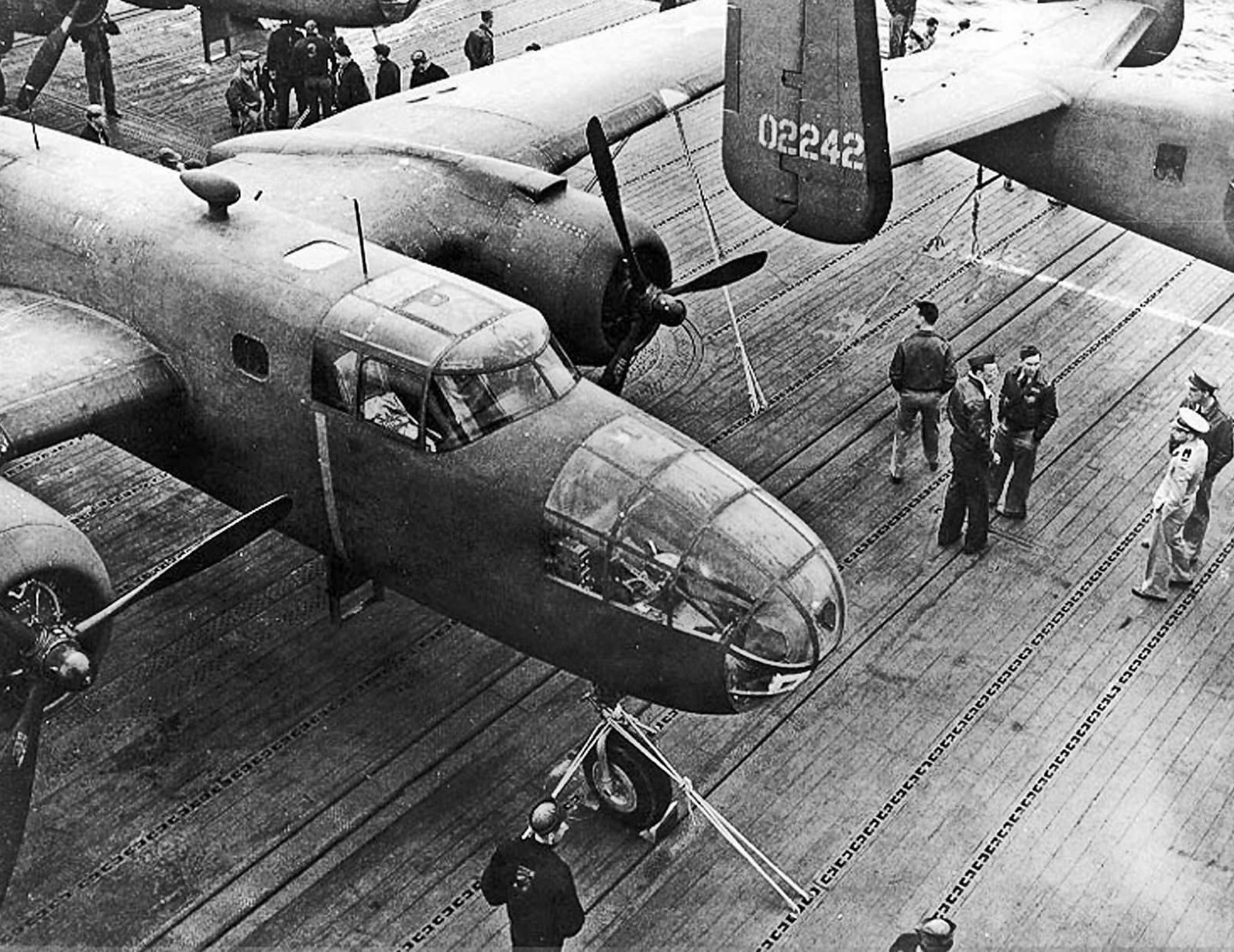
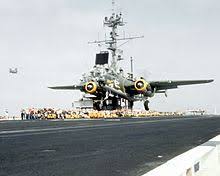
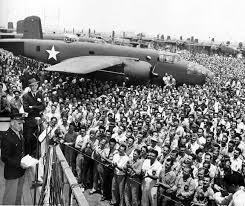
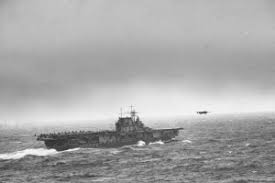
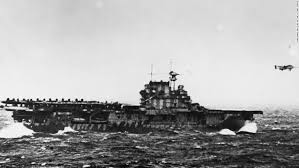
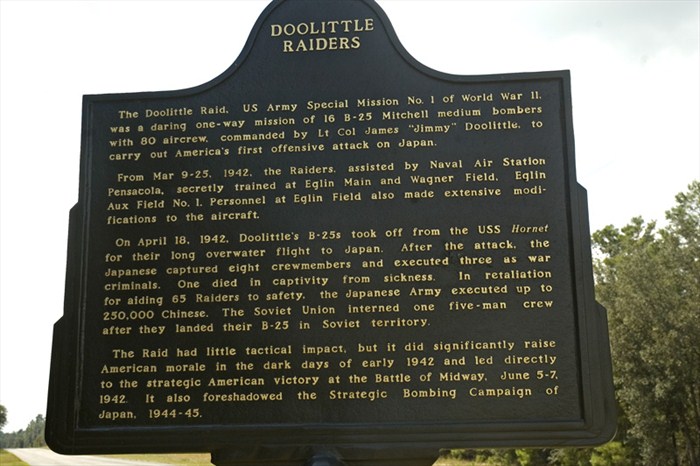
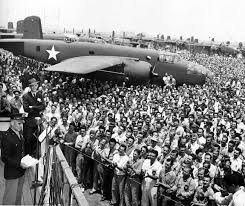
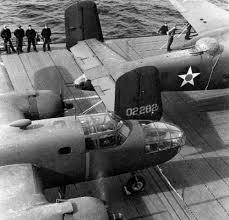
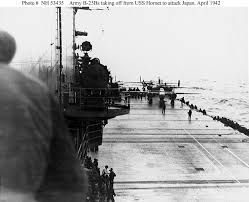
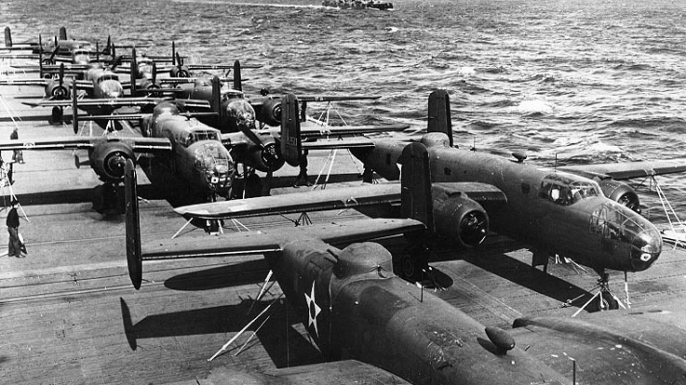
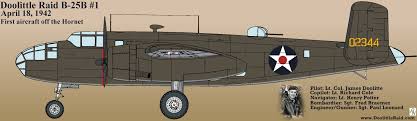
Pilot of Plane 8 Doolittle Raid
At the bottom of the page are the sequence of events leading up to the Raid

Crew of 8th Aircraft Plane # 40-2242 – Crew from 95th Squadron, 17th Group – (Landed and Interned in Russia)
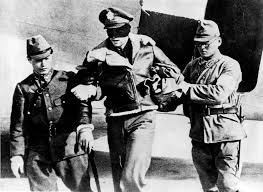
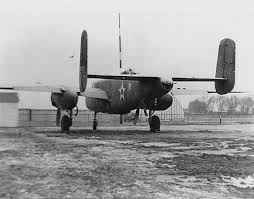
Captain York’s B25 had suffered engine problems prior to the loading of the aircraft on the Hornet, and the flight to Japan compounded this. Despite heavy fuel consumption by both engines, York continued on course to drop his bombs on their assigned targets. Throughout the run the aircraft was defenseless with a top turret that failed to work. Without enough fuel to reach China, Cpt. York elected to fly the shorter distance to Russia where he landed at a field near Vladivostok in hopes of refueling to reach China. Instead, the still neutral Soviets confiscated the bomber and interred the crew for thirteen months. The crew returned home in May 1943 after escaping into Persia.

Pilot Capt. E.J. York

Co-Pilot Lt. R.G. Emmens

Navigator Lt. N.A. Herndon

Bombardier SSgt. T.H. Laban

Engineer Gunner Sgt. D.W. Pohl

These are images from Vladimir Plotnikov which he located at of York’s plane, the day after the raid, in Russia.

http://www.airforce.ru/history/ww2/photoalbum/page_11.htm

Graduated from Batavia High School in 1928 and enlisted in the U.S. Army (Infantry) in July, 1930. Served at several posts, including Chilkoot Barracks, Alaska, before winning an appointment to the United States Military Academy. Commissioned as Second Lieutenant upon graduation and was assigned to pilot training at Randolph and Kelly Fields where he received his wings in August, 1939. Was interned in Russia after Tokyo Raid for thirteen months. Shortly after returning to the US in 1943 he was reassigned to B-17 unit in Italy. Following World War II, was sent to Warsaw, Poland as Air Attache. Returned to US in 1947 and assigned as Commandant of Air Force Officer Candidate School. Graduated from Air War College and has had service in the Pentagon and in State of Washington. Served as Chief of Staff of USAF Security Service, San Antonio, Texas. Retired in 1968. Decorations include the Distinguished Flying Cross, Legion of Merit, and the Chinese Army, Navy, and Air Corps Medal, Class A, 1st Grade.

Born August 16, 1912, Batavia, New York

Died August 31, 1984

Fort Sam Houston National Cemetery

1520 Harry Wurzbach Road

San Antonio, TX 78209

210-820-3891

Section 1 Grave 1220

Interment 9/4/1984

Doolittle


Photos relating to the Raid are at

http://www.doolittleraider.com/raid_photos.htm

B-25 data is at

http://www.doolittletokyoraiders.com/doolittle_B25.htm

http://www.doolittleraider.com/raiders/york.htm

Numerous sites are at

http://www.google.com/search?client=safari&rls=en-us&q=doolittle+raiders&ie=UTF-8&oe=UTF-8

First Joint Action

http://www.doolittleraider.com/first_joint_action.htm#_Toc510516198

Additional info

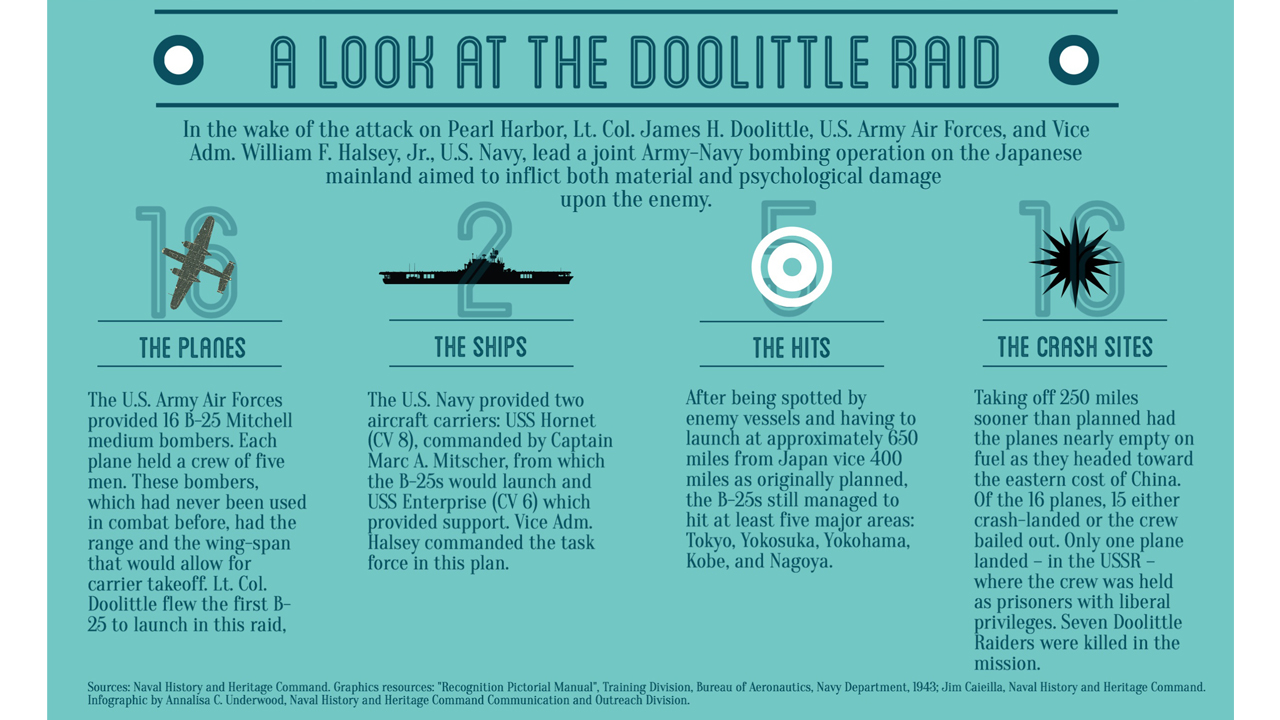
Soon after the death toll at Pearl Harbor had been totaled, President Franklin D. Roosevelt asked America’s top military leaders, Army Generals George C. Marshall and Henry H. ‘Hap Arnold and Admiral Ernest J. King, to figure out a way to strike back at Japan’s homeland as quickly as possible. Although there was nothing they wanted to do more, it seemed an impossible request to carry out.

In response to the president’s persistent urging, Captain Francis S. Low, a submariner on Admiral King’s staff, approached Admiral King and asked cautiously if it might be possible for Army medium bombers to take off from a Navy carrier. If so, could they be launched against Japan?

Note – As Captain Low was leaving Norfork, he observed Army Medium Bombers making passes at a Carrier Deck which was painted on the runway as a training aid for Naval Aviators. When he approached Admiral King with the idea, King told him to discuss it with Captain Ducan, but they were not to discuss it with anyone.

The question was passed to Captain Donald B. Wu Duncan, King’s air operations officer. After studying the capabilities of several AAF (Army Air Force) medium bombers, Duncan concluded that the North American B-25 might be capable of taking off from a carrier deck. He recommended takeoff tests be conducted before any definite plans were made.

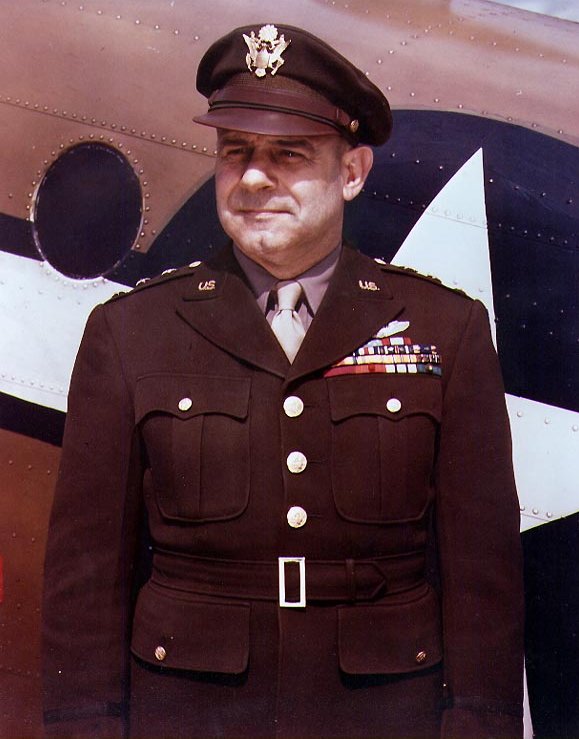
When this basic idea was passed to General Arnold, he called in Lt. Col. James H. Jimmy Doolittle, noted racing and stunt pilot who had returned to active duty in 1940 and was now assigned to Arnold’s Washington staff. He asked Doolittle to recommend an AAF bomber that could take off in 500 feet from a space not over 75 feet wide with a 2,000-pound bombload and fly 2,000 miles. Arnold did not say why he wanted the information.

Doolittle checked the manufacturers’ data on the AAF’s medium bombers- the Douglas B-18 and B-23, North American’s B-25 and the Martin B-26. He concluded that the B-25, if modified with extra fuel tanks, could fulfill the requirements. The B-18 could not carry enough fuel and bombs, the wingspan of the B-23 was too great and the B-26 needed too much takeoff distance.

Arnold then told Doolittle why he had asked for the information, cautioning him that because such an unprecedented mission was possible, it must be kept top-secret by all concerned. Doolittle promptly volunteered to lead the effort, and Arnold promised him his complete, personal backing for whatever support he felt necessary.

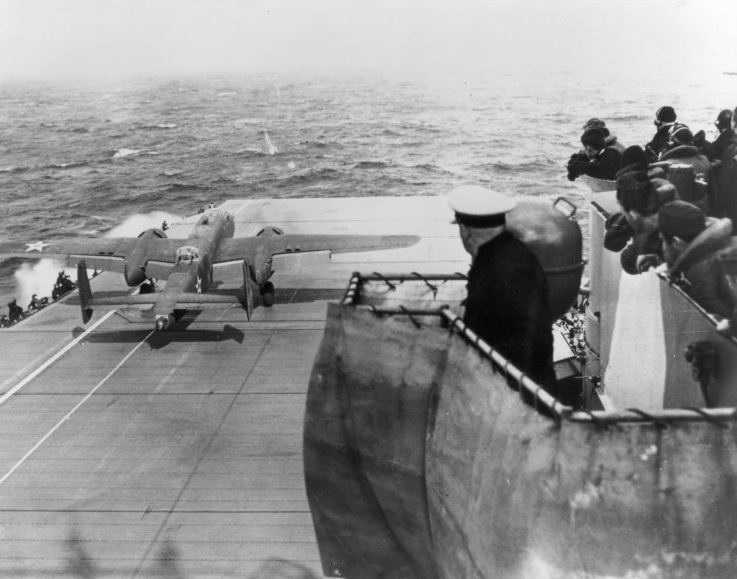
The concept could be expressed succinctly: A Navy task force would take 15 B-25s to a point about 450 miles off Japan where they would be launched from a carrier to attack military targets at low altitude in five major Japanese cities, including Tokyo, the capital. The planes would then fly to bases in China where the planes and the crews would be absorbed into the Tenth Air Force, then being organized to fight in the China-Burma-India (CBI) theater.

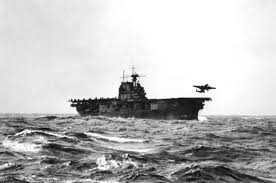
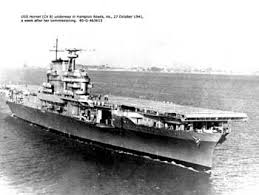
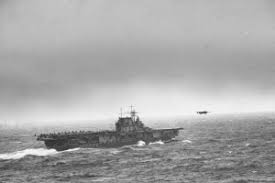
On February 2, 1942, two B-25s were hoisted aboard the USS Hornet, the Navy’s newest carrier, at Norfolk, Va. A few miles off the Virginia coast, the lightly loaded bombers were fired up and took off without difficulty. The Hornet was then ordered to proceed to the West Coast for its first war assignment.

Jimmy Doolittle, a very energetic man, decided that the B-25 crews would consist of five men: pilot, copilot, navigator, bombardier and engineer-gunner. Twenty-four B-25s and crews would be assigned to the mission from the three squadrons of the 17th Bomb Group and its associated 89th Reconnaissance Squadron, located at Pendleton, Ore. To preserve secrecy, Doolittle personally began making all the arrangements for the training and special equipment without revealing why he wanted things done.

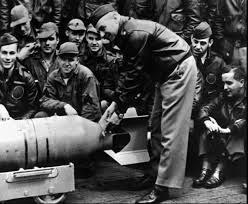
The four squadrons were ordered to Columbia, S.C. En route, the designated planes were modified with extra fuel tanks and associated plumbing at Minneapolis, Minn. New incendiary bombs and shackles were ordered, along with electrically operated motion-picture cameras that would be activated when the bombs were released. Intelligence information maps and target folders for the five major Japanese cities were prepared.

When the four squadrons arrived at Columbia, the word was passed that volunteers were needed for a dangerous mission. Almost every man in the four squadrons volunteered; the squadron commanders chose 24 crews, plus extra armament specialists and mechanics to ready the aircraft. The selected men and the planes were sent to Eglin Field, Fla., beginning on the last week of February.

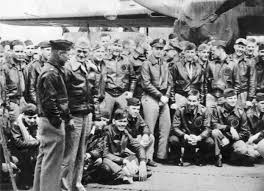
Doolittle arrived at Eglin on March 3 and assembled the entire group of 140 men.

My name’s Doolittle, he said. I’ve been put in charge of the project you men have volunteered for. It’s a tough one, and it will be the most dangerous thing any of you have ever done. Anyone can drop out and nothing will ever be said about it.

Doolittle paused and the room was quiet. Several hands went up, and a lieutenant asked if he could give them any more information. Sorry, I can’t right now. I’m sure you will start getting some ideas about it when we get down to work. Now that brings up the most important point I want to make, and you’re going to hear this over and over again. This entire mission must be kept top-secret. I not only don’t want you to tell your wives or buddies about it, I don’t even want you to discuss it among yourselves.

From the first day of training, it was understood that all the volunteer crews would take the training; however, only 15 planes would eventually go on the mission. This was done to assure that there would be plenty of spare crews on hand to replace anyone who became ill or decided to drop out.

As the takeoff training of the pilots progressed, it proved to be a harrowing experience for most of them. Army Air Force pilots were not taught during their training to take off in extremely short distances at bare minimum airspeed. Taking off in a medium bomber with the tail skid occasionally striking the ground was unnatural and scary to them. But under U.S. Navy Lieutenant Henry L. Miller’s patient instruction, they all soon learned.

In addition to takeoff practice, it was hoped that each crew would receive 50 hours of flying time to be divided into day and night navigation, gunnery, bombing and formation flying. But maintenance problems kept the planes on the ground most of the time.

Each B-25B model at that time was equipped with one upper and one lower turret, each with twin .50- caliber machine guns. But the upper and lower turret mechanisms malfunctioned continually; the lower turret was especially difficult to operate. Doolittle ordered the lower turrets removed and additional gas tanks installed in their place.

There was a single, .30-caliber movable machine gun in the nose, which was placed in a gunport by the bombardier when needed. There were no guns in the tail, so Captain C. Ross Greening, the armament officer, suggested that two broomsticks be painted black and installed there to deceive enemy fighters. Since the bombing was to be at 1,500 feet or less, Greening also designed a simple bombsight he called the Mark Twain to replace the top-secret Norden bombsight. It was made from two pieces of aluminum that cost about 20 cents.

One of the volunteer gunners had, other duties. When 1st Lt. T. Robert Doc White, a physician attached to the 89th Reconnaissance Squadron, heard of the call for volunteers, he asked to be included. He was told there was no room for a passenger; the only way he could go would be as a gunner. He said that was all right with him. He took gunnery training, qualified with the second highest score with the twin .50s on the ground targets, and was assigned to a crew. His presence on the mission proved to be fortuitous, as shall be seen later.

Doolittle wanted to fly the mission as a pilot. But I wanted to go only on the basis that I could do as well as or better than the other pilots who took the training, he said. I took Hank Miller’s course and was graded along with the others. I made it, but if I hadn’t I intended to go along as a copilot and let one of the younger, more proficient pilots occupy the left seat.

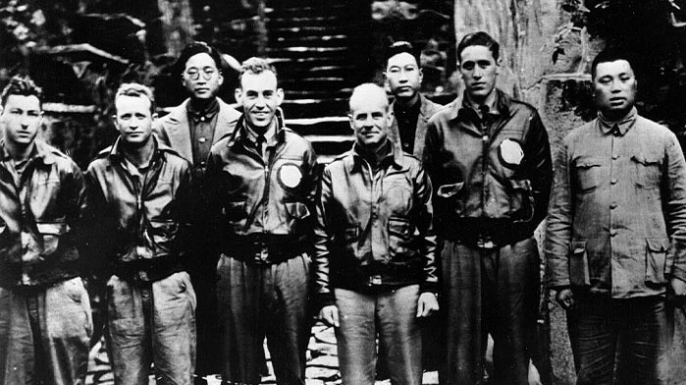
On one of his training flights, Doolittle flew with Lieutenant Richard E. Cole, copilot; Lieutenant Henry A. Potter, navigator; Sergeant Fred A. Braemer, bombardier; and Sergeant Paul J. Leonard, engineer-gunner. The original pilot had become ill and did not return to flying duty. These men became Doolittle’s crew.

Meanwhile, Captain Wu Duncan had arrived in Honolulu and conferred with Admiral Chester W. Nimitz, commander in chief of the Pacific Fleet, and conveyed the plan for a Navy task force to transport the army bombers to the launch point. Nimitz liked the idea and gave the task of carrying it out to Admiral William F. Bull Halsey, who was anxious to tangle with the enemy any way he could.

Duncan worked with the CINCPAC (commander in chief, Pacific) planning staff on the details for a 16-ship task force. It was decided that seven ships would accompany the Hornet from the Alameda Naval Air Station near San Francisco and rendezvous with an eightship force that included Halsey’s flagship, the carrier Enterprise. The joinder would take place near the 180th meridian.

By the middle of March, the Hornet, now destined to be the ship that would deliver the B-25s to the takeoff point, passed through the Panama Canal and proceeded to Alameda. At the end of the third week in March, Captain Duncan wired Washington from Honolulu: Tell Jimmy to get on his horse.

This coded message was all Doolittle needed to get his men and planes moving to the West Coast. Since two of the B-25s had been damaged in training, the 22 remaining planes were flown to McClellan Field, Sacramento, Calif., for final inspections before proceeding to Alameda. All of these crews would go aboard the carrier.

Captain Duncan flew to San Diego to confer with Captain Marc A. Mitscher, skipper of the Hornet. Mitscher had not been told about the mission until then and was delighted to have a part in it. Since he had watched the first two B-25s take off successfully several weeks previously, he was confident it could be done. Duncan then went to San Francisco to await the arrival of Doolittle from Florida, Halsey from Hawaii and the Hornet from San Diego.

The three men, joined by Captain Miles Browning, Halsey’s chief of staff, met informally in downtown San Francisco to discuss the details and determine if anything had been left undone. The plan was for the Hornet, in company with the cruisers Nashville and Vincennes, the oiler Cimarron, and the destroyers Gwin, Meredith, Monssen and Grayson – to be known as Task Force 16.2 – to leave San Francisco April 2. Halsey, on the Enterprise and in charge of Task Force 16.1, would leave Hawaii on April 7, accompanied by the cruisers Northampton and Salt Lake City, the oiler Sabine,, and destroyers Balch, Benham, Ellet and Fanning.

Philip Hayes

In 1919 as a Captain he returned to West Point as Executive Officer for Athletics.

In 1944 he was responsible for resolving the Philadelphia Transit Strike.

http://en.wikipedia.org/wiki/Philip_Hayes_(general)

http://en.wikipedia.org/wiki/Philadelphia_transit_strike_of_1944

Robert L. Scott

Army Mule Rider

Graduated 6th off the bottom of the Class

Bob Scott in his P-40 He flew with The Flying Tigers

http://en.wikipedia.org/wiki/Flying_Tigers

http://en.wikipedia.org/wiki/Robert_Lee_Scott,_Jr.

http://www.aviationartstore.com/robert_scott_2.htm

http://www.robertlscottfanclubassociation.com/Scottyphotos.html

https://forums.af.edu/_layouts/Ecco/CommunityBrowser.aspx?id=15245&view=l&vm=Brief

http://www.collectspace.com/ubb/Forum23/HTML/001849.html

http://www.legacy.com/obituaries/macon/obituary.aspx?n=robert-l-scott&pid=16892560&fhid=4415

http://www.arlingtoncemetery.net/rlscott.htm

http://www.imdb.com/title/tt0037746/

http://www.historyforsale.com/html/prodetails.asp?documentid=190260&start=11&page=153

http://www.worthpoint.com/worthopedia/flying-tigers-print-signed-general-101661216

I (Irish – Post Captain Member # 722) was born in 1939 and clearly remember reading, when I was a pre-teen, God is My Co-Pilot by Brig. Gen Bob Scott. It was one of the motivators that led me into a flying career.

Recently, when learning of a fellow New Hampshireite, Dan Ford, who has written Flying Tigers: Claire Chennault and His American Volunteers, 1941-1942 I discovered the obit of Gen. Scott who passed away on February 27, 1996 at the age of 97. If you read this you will marvel has his career, especially when you learn that he, in 93 days, walked the entire 2000 miles of the Great Wall of China!

Since this article doesn’t fit any SJ topic I’m taking the liberty of posting it in the TWA topic. Enjoy. Paul

3/1/2006 – WARNER ROBINS, Ga. (AFPN) — Brig. Gen. Robert L. Scott Jr., World War II fighter ace and author of the 1943 book “God Is My Co-Pilot” has died.

The general passed away Feb. 27 in Warner Robins after a stroke. He was 97.

Though the general retired from the Air Force in 1957, for the following decades he continued to serve the Air Force.

Known to his friends and family as “Scotty” the general lived his final two decades as the “champion and cheerleader” of the Museum of Aviation in Warner Robins, officials there said.

The general was born in Waynesboro, Ga., April 12, 1908, the son of a traveling salesman. He was raised in Macon. From an early age he showed interest in air travel.

His legacy is portrayed at the museum in a large exhibit featuring his photos, books, personal items and memorabilia.

General Scott’s lifetime story and flying career are legendary. A West Point graduate, he amassed more than 33,000 flying hours in 60 years of flying. During World War II, official Army Air Force records credit him with 13 aerial victories while flying the P-40 Warhawk over China. But the general said he actually shot down nine more, though they were listed as “probable”.

But he once said, “You had to have two witnesses in the formation, or you needed a gun camera to take a picture. Only we didn’t have gun cameras in China. I actually had 22 aerial victims.” That made him one of the top American aces of the war.

Never shot down, the general never lost an aircraft and his feats in the early years of the war inspired an entire generation of young pilots. God Is My Co-Pilot, inspired by his wartime experiences, was a best seller and turned into a movie.

The general graduated from Lanier High School in 1928. The summer between his junior and senior years of high school, he took a job as deck boy aboard a Black Diamond Line freighter and sailed halfway around the world. It was the beginning of a lifetime of adventure.

But General Scott’s life-long ambition was to fly. At age 12, he flew a home-made glider off the roof of a three story house in Macon and crashed landed into a Cherokee rose bush — the state flower of Georgia.

As Scott recalled later, “Gliders were built out of spruce, but I didn’t have enough money, so I made mine out of knotty pine. I cleared the first magnolia, but then the main wing strut broke and I came down in Mrs. Napier’s rose bushes.

“It’s the only plane I ever crashed,” he said.

He enlisted in the Georgia National Guard and President Hoover appointed him to West Point in 1928. When he graduated in 1932, he used the summer to sail to Europe. He bought a motorcycle in France and motored across Europe and Asia — turning around at Mount Ararat. After returning, he joined the Army Flying Center at Randolph Air Base, Texas. He earned his wings Oct. 17, 1933, and went to his first assignment at Mitchell Field, N.Y.

In 1934, President Roosevelt cancelled commercial air mail contracts and gave the duty to the Air Corps. General Scott immediately volunteered and flew airmail in an open cockpit plane through the “Hell Stretch” — as it was know then — from Newark, N.J., to Cleveland. Then he served a tour at Albrook Field, Panama. He became a flying instructor after that and was promoted to lieutenant colonel during the expansion program before World War II.

When the war broke out, General Scott — then 33 — was running the largest flight training academy in the country, the Cal Aero Academy in California. To his dismay, he did not receive orders to go fight. So he wrote numerous letters begging for an assignment to a combat flying unit. He was told he was too old to be a fighter pilot and he needed to keep training younger pilots.

But one night, he received a call from the Pentagon. An intelligence officer asked him if he had ever flown a B-17 Flying Fortress. The general — who had never flown the plane — said yes. That’s how he got orders to the secret Task Force Aquila — to fly B-17s to China to bomb Japan.

After days of flying across the Atlantic, Africa, Middle East and China, he landed to receive the news that the mission was scrubbed because the Japanese had captured their planned take-off bases in the Philippines.

So he flew C-47 Gooney Birds over the Himalayas instead, flying fuel and supplies from India to combat bases in China. Soon General Scott, by then a colonel, met Brig. Gen. Claire Chennault, the tough commander of the American Volunteer Group in China — the Flying Tigers. General Scott convinced the commander to let him use a P-40 to fly escort missions for the transports and he was soon flying daily combat missions — in addition to escort duty.

In his first month of combat, he logged 215 hours of flight time and quickly became a double “ace” with 13 confirmed aerial victories.

On July 4, 1942, at the request of Chiang Kai-shek, General Scott was given command of the 23 Fighter Group of the China Air Task Force — the Army Air Force unit activated with remnants of the Flying Tigers. It later became the 14th Air Force.

In January 1943, the general was ordered back to the United States to make public relations speeches to war plant workers. He wrote “God Is My Co-Pilot,” and served as technical advisor to Warner Brothers in making a movie.

After the war, the general served at the Pentagon on a task force to win autonomy for the Air Force from the Army, which occurred in September 1947. That year he took command of the Air Force’s first jet fighter school at Williams Field, Ariz. He then moved to Europe in 1950 to command the 36th Fighter Wing at Furstenfieldbruck, Germany.

In 1954, after graduating from the National War College, he was promoted to brigadier general and assigned as Air Force director of information. He retired in 1957.

Then he pursued his life-long dream to walk the Great Wall of China. After writing more than 300 letters in two years to ask for official permission, General Scott finally signed on for a package tour to just get inside China.

While there, he managed to get a visa and travel permit and in 93 days — with a 70 pound backpack including 1,200 oatmeal cookies he baked himself — he walked the 2,000 miles of the Great Wall to complete Marco Polo’s trip that had fascinated him for 57 years. On a 9,000 foot mountain overlooking Kunming — General Chennault’s home base in World War II — he left an engraved stone memorial to his former boss that read: General Claire Lee Chennault. We, your men, honor you forever.

In 1976, with special permission from Gen. Charles Gabriel, Air Force chief of staff, he flew an F-16 Fighting Falcon. Ironically, his first military airplane had also been a Falcon, a Curtiss O-1G fabric-covered biplane.

In 1986, General Scott arrived at Warner Robins for the unveiling of an exhibit of his memorabilia at the Museum of Aviation. He was asked to stay and the next year moved to Warner Robins to become the head of the Heritage of Eagles Campaign — which ultimately raised $2.5 million to build the museum’s three- story Eagle Building.

In 1988, the general released his autobiography, “The Day I Owned the Sky.” That year, at age 82, he was flown in an F-15 Eagle out of Dobbins Air Force Base, Ga. In May 1995, the general joined 19 veterans of the China-Burma-China campaign on a 50th anniversary return to meet Chinese veterans they flew with during World War II.

On April 2, 1997, in celebration of his 89th birthday, General Scott flew his last flight — in a B-1 Lancer bomber from Robins’ 116th Bomb Wing. His flight log closed with over 33,000 hours in the air — a total few pilots have reached.

In the last two decades of his life, General Scott continued to work tirelessly at the museum, helping to raise millions of dollars to develop the heritage and education center. His legacy, he said, was to “teach the younger generation that if we are strong, we will never have to endure another tragedy like World War II.”

General Scott is survived by daughter Robin Fraser of Bakersfield, Calif., a grandson, three granddaughters and several great-grandchildren.

The general will be buried at Arlington National Cemetery in Washington, D.C.

Copied from http://www.smilinjack.com/cgi/ultimatebb.cgi?ubb=get_topic;f=6;t=001289

Russell Mericle

The Plebe Team – Fall of 1952

Russ was a member of the 1953 Football Team

He earned 2 Army A’s in Football.

Leslie R Groves

November 1918 Class

Oversaw the building of the Pentagon and was head of the Manhattan Project.

Continue reading →

Philip Hayes

Cadet Athletics not available at this time. As a Captain he returned to West Point in 1919 to become the Executive Officer for Athletics.

See — http://en.wikipedia.org/wiki/Philip_Hayes_(general)

Also see the the 1944 Philadelphia transit strike

http://en.wikipedia.org/wiki/Philadelphia_transit_strike_of_1944