Commanding General cleaning his Thompson Submachinegun


-
-
Navigation
-
- #12358 (no title)
- 2D Page
- 62 Track
- American civil-military relations: The soldier and the state in a new era
- American Women Serving in Foxholes
- Army Teams
- Backup Worth of a Class
- Broke
- CAN DO AND WE DID
- Civil War Photos
- Civil War Stamps
- Class of 1962 A & B Individual Posts
- Classes
- Cliff McKeithan
- Current Listing
- Data for letter
- Dave Armstrong
- Dick Wylie
- Dissent and Strategic Leadership of The Military Professions
- Firepower, Attrition, Maneuver
- Firepower, Attrition, Maneuver
- franklin / burns
- Gary Brown
- George Telenko
- Intrepidity and Character Development Within the Army Profession
- Jim Kays
- John Wagner
- Larry Mengel
- President Kennedy & General Westmoreland
- SNIKRAH6772
- U.S. Civil-Military Relations: Transition or Crisis
- West Point Class of 1962
- What ’62 Gave
- What ’62 Gave Support # 1
- What ’62 Gave Support # 2
- Women in the Front Line
- Work Page
- Worth of A West Point Class
- Worth of a West Point Class
- Your Body
- Army Navy Football
- Recent Posts
- About
- Newsletter
- Contact Information
- Submissions
- Credits
-
Categories
Author Archives: forwhattheygave.com
Jim Kays – what he has done
March 30, 2011 – 2:07 pm
The Greatest Game Ever Played
March 28, 2011 – 2:06 pm
1958 NFL Championship Game
http://en.wikipedia.org/wiki/New_York_Giants
The Roster is at
http://www.jt-sw.com/football/pro/rosters.nsf/Annual/1958-nyg
1891 Football Team
March 28, 2011 – 2:05 pm

1891 Football Team – Michie with the Ball – 4-1-1, Beating Navy 32-16


Dennis Michie Class of 1892
Army win in Yankee Stadium
March 27, 2011 – 2:05 pm
Army Over Syracuse 9 – 6 November 5th 1960

Our Fullback (Al Rushatz played 60 minutes) is going to Bust Somebody – Al ran this play several times with success. There is a clear image in my mind of Al, right in front of the Corps, getting tripped up at the line of scrimmage, dropping his free hand as he is nearly horizontal, regaining his balance and rumbling for more yardage.

Tom Blanda gives us 3 More

John Ellerson puts him in the Dirt

Army has broken Free, headed for a Score
Current Site Listings
March 27, 2011 – 2:04 pm
You may either click on the Class or the individual listing.
Coaches are at http://forwhattheygaveonsaturdayafternoon.com/wp-coaches/
A Football listing is at http://forwhattheygaveonsaturdayafternoon.com/wp-teams/football/
Clicking on photos will carry you to expanded information
This Web Site needs material from each Class – please make submissions to ArmyAthletes@AOL.com
He was an Army Athlete – Football, Cross Country, Basketball
The only soldier ever to be awarded the Combat Infantryman Badge as a General Officer.
|
|
1903 Douglas MacArthur, 1902 Football Team
1904 Joe Stilwell, 1903 Football Team
1905 Ernest Graves, Charles Daly
1909 George S. Patton, Philip Hayes
1915 All Teams & All Athletes are at 1915
1918 Elmer Oliphant, Leslie R Groves
Note – Every Football Team from 1920 through 1999 (plus 2001 – last winner over Navy) has recently been added to the Football team page
1920 Earl Blaik, Homer Keifer, 1919 Football Team
1936 William Shuler, Whitey Grove
1937 Charles Meyer, Colin Kelly
1939 Robert Sears, Robert Cole, Leon Vance, 1938 Football Team
1946 Max Minor, Al Nemetz, Jack Green
1947 Doc Blanchard, Dewitt Coulter, Arnold Tucker, Hank Foldberg, Glenn Davis
1949 Joe Steffy, Rip Rowan, Goble Bryant, Art Gerometta, Bobby Jack Stuart
1950 Morris Herbert, Jim Irons, Arnold Galiffa, John Trent, Jim Cain, Joe Green, Gil Stephenson, Bill Kellum, Bill Yeoman
1951 Dan Foldberg, Gil Stephenson
1952 Richard Shea, Joe Austin, Dick Inman, Vince Bailey, Jim McInerney, Ed White, John Claybrook, Jack Kleburg, Bob Wheeler
1954 Bob Mischak, Bill Albright, Jay Gould, Jerry Lodge, Lowell Sisson, 1953 Army Duke, Army Navy 1953
What Col Blaik Faced in the Fall of 1953,
General Van Fleet is Remembered
Bob Mischak – Letter to West Point’s Hall of Fame Selection Committee
If you play for Army always Remember what this Team did!
|
|
The ’53 Team was Nominated for West’s Point’s Hall of Fame
Please Click on the above photo for the 13 page Nomination Document prepared by Class of 1962
The Class Nomination Letters are at
http://forwhattheygaveonsaturdayafternoon.com/wp-letters/bob-class
Bob Mischak, ’54 as a player and a coach, participated in 3 Super Bowls, 8 AFC Championships and numerous playoff games. As the starting Offensive Tackle on the 1958 Giant Team he participated in The Greatest Game Ever Played. Bob had this to say of the 1953 Duke Game (perhaps Army’s Greatest Game)
“As many reports have stated, the 1953 team “Returned to Glory” with the defeat of the nationally ranked Duke Blue Devils at the Polo Grounds in New York City. From a player’s stand point, that was the epitome of any game, team, and student body support that I’ve been associated with – bar none.”
1955 Tommy Bell, Pete Lash, Joe Franklin, Ski Ordway
1956 Peter Vann, Don Holleder, Jack Nicholson, Norman Schwarzkopf,
Pat Uebel, Pete Lash, Bob Farris, Ralph Chesnauskas, Russell Mericle, Vann To Holleder, One of the last to earn 9 Army A’s in 3 Years, ’56 Titans, Plebe Team Fall of 1952
1957 Class of 1957, Dick Stephenson, 57s Graduation Parade, Error in Cadet Lore
Note – Every 150 – Lightweight – Sprint Team from the 1957 Season to the 2006 Team are at:
http://forwhattheygaveonsaturdayafternoon.com/wp-teams/150-lightweight-football
1958 John Brinson, Jude Theibert, Dick Schonberger, Jim Kerner, 1957 150 Football Season, 1957 Football Team
1959 Bob Novogratz, Pete Dawkins, Harry Walters, Jack Morrison, Jerry Weisensell, 1958 Football Season, 1958 150 Football
1960 Bob Anderson, Bill Carpenter, Joe Caldwell, Fred Kaiser, Bill Yost, Ozzie Oswandel, Ross Gagliano, 1959 Football Season, Wrestling 1959 1960 team, 1960 Basketball Team, 1959 150 Football, Bob Anderson as an Army Back, Winter Sports 59′-60, Sports Articles
1961 Bert Yancy, George Joulwan, Tom Blanda, Dick Buckner, Harry Miller, Al Vanderbush, Jerry Clements, Nick Vay, Denny Lenhart, Bob Kewley, Jonathan Aaronsohn, 1961 Baseball Team, 1960-61 Wrestling, 1960 150 Football Team, 1961 Lacrosse Team, Army win in Yankee Stadium
The 1961 Class Gift is at http://forwhattheygaveonsaturdayafternoon.com/wp-photos/large-gettysburg
1962 All Teams & All Athletes are at 1962
1963 Mike Natvig, John Woods, Bob Foley, John Ellerson, Mike Kilroy, 1962 150 Football, Sports Articles
1964 Barry DeBolt, Steve Pembrook, Roy Buckner, Charles Flint, Dick Nowak, 1963 150 Football
1965 1964 150 Football, 1965 Football Team, 64-65 Basketball Team
1966 Paul Buch, 1965 150 Team, 1965 Football Team, 1966 Basketbal, Golf and Track
1967 Andy Nusbaum, 1966 150 football, 1967 Team
1968 Don Johnson, Bud Neswiacheny, 1967 150 Football, 1968 Team
1969 Charles Jarvis, 1969 Team, 1968 150 Football
Note – Every 150 – Lightweight – Sprint Team from the 1957 Season to the 2006 Team are at
http://forwhattheygaveonsaturdayafternoon.com/wp-teams/150-lightweight-football
Note – Every Football Team from 1920 through 1999 (plus 2001 – last winners over Navy) has recently been added to the Football team page
1970 Lynn Moore, 1970 Team, “1969 150 Football”
1971 “1970 150 Football”
1972 “1971 150 Football”
1973 Steve Bogosian, Donnie Donnell, Bob Hines, Bill Moore, Joe Tallman, Matt Wotell, 1972 150 Team, 1972 Team 1973 Team
1974 Gene Richardson, Tom Weber, 1973 150 Team
1976 Russ Grimm, 1975 150 team
1978 Gary Winton, 1977 150 team
1979 Clennie Brundidge, 1978 150 Team
1980 Bob Doering, 1979 150 Team
1984 Melody Ann Smith, 1983 150 Team
1985 Dave Goodling, 1984 150 Team
1986 Pamela Pearson, 1985 150 Team
1987 John Vansant, 1986 150 Team
1989 Ann Wycoff, Greg Gadson, Mike Sullivan, Teresa Sobiesk, 1988 150 Football
1990 Elexa Willis, 1989 150 Football
1991 Holly Fishburne, Mike Mayweather Mark West, 1990 150 Team
1993 Michael McElrath, 1992 150 Team
1995 Doug Kim, 1994 Lightweight Team, 1994-1995 Women’s Basketball
1996 1995 150 football, 1995 – 1996 Women’s Basketball
1997 Julie Schellhase, 1996 150 Team, 1996-1997 Women’s Basketball
1998 Holly Pedley, 1997 150 Football
2004 2003 150 Football, 2004 Softball
2005 William Sullivan, 2004 150 Football
2006 Scott Wesley, 2005 150 Football, 2005 – 2006 Women’s Basketball Team
2007 Peter Bier, Mike Castelli, Justin Keonig, Austin Miller, Lindsey Gerheim, 2006 Sprint Football Team,
2008 Mike Viti, Commencement Address, 150, Lightweight, Sprint Football Reunion
Edward J. York
March 26, 2011 – 2:03 pm
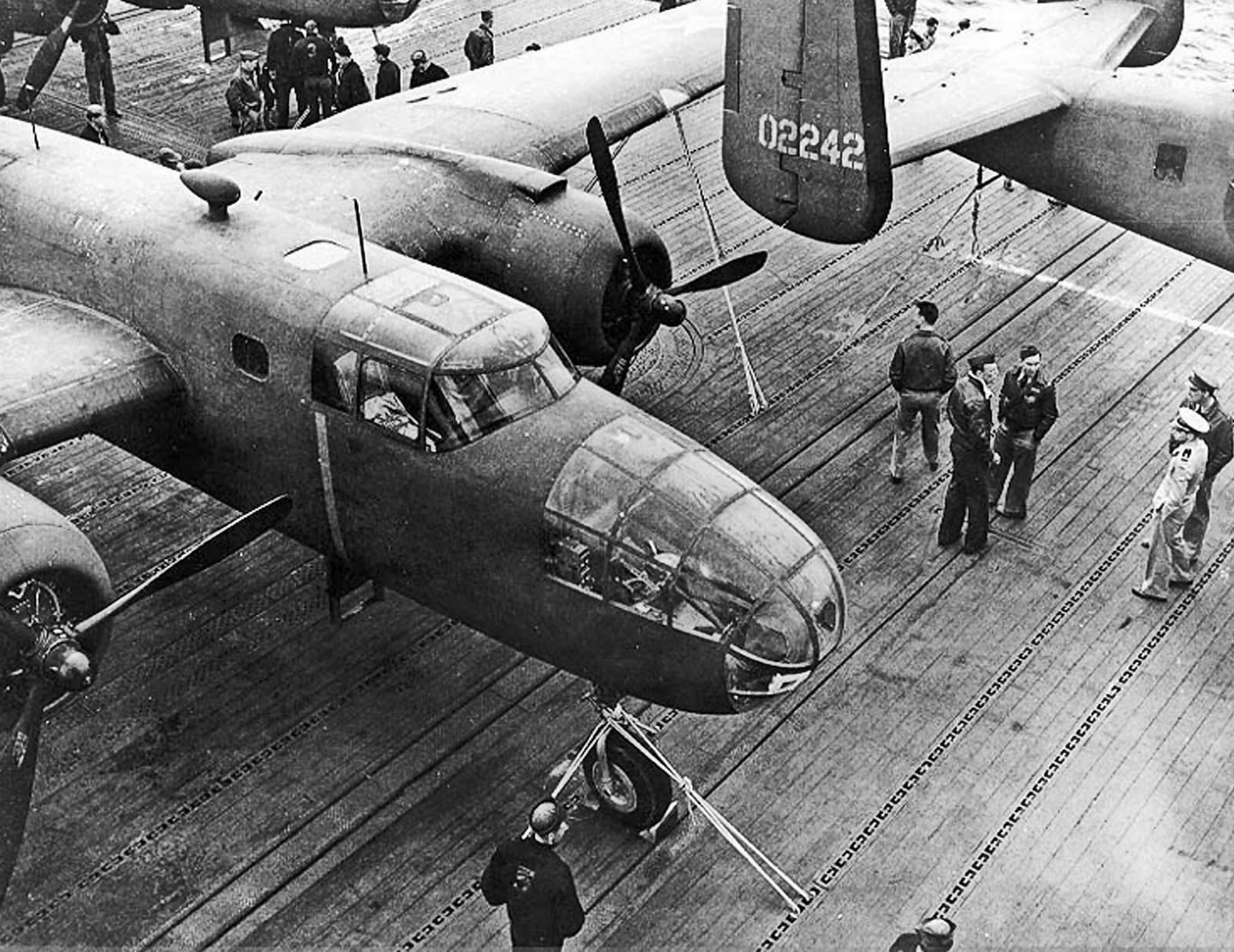
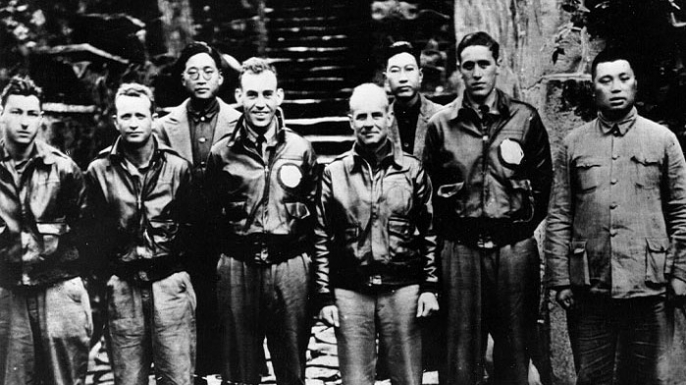
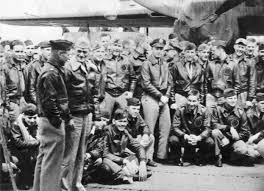
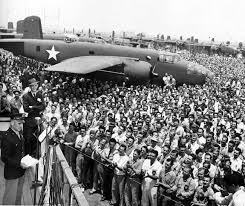
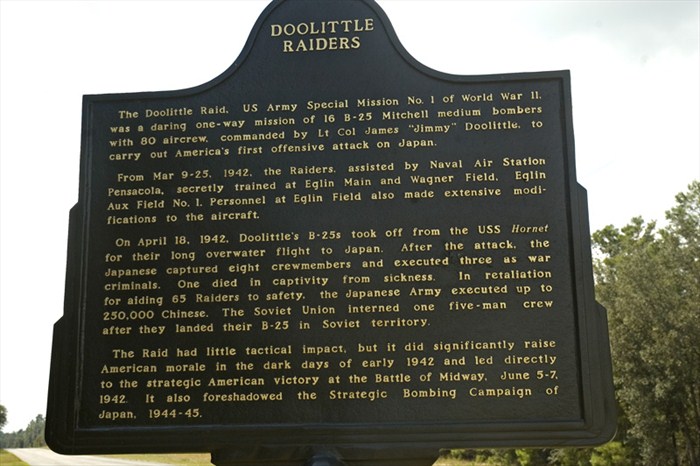
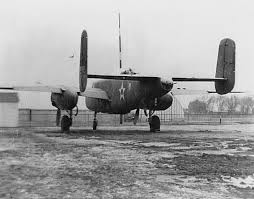
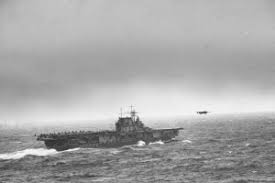
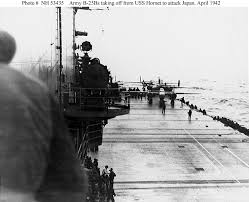
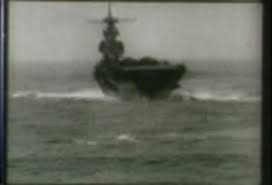
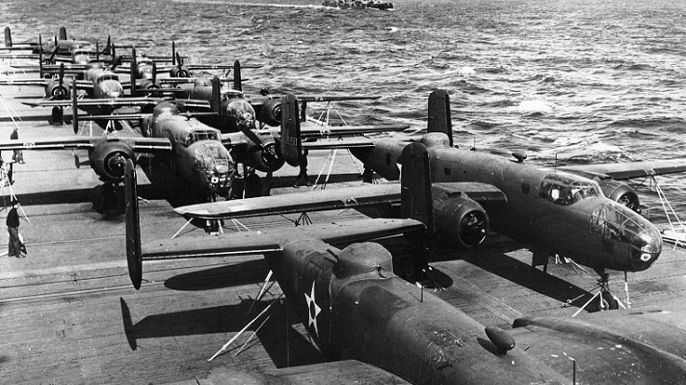
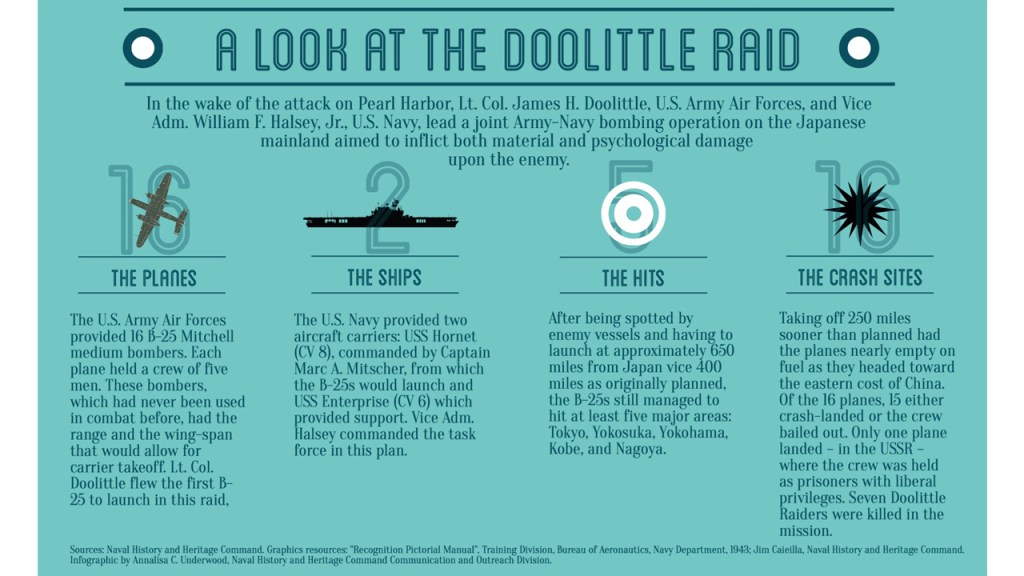
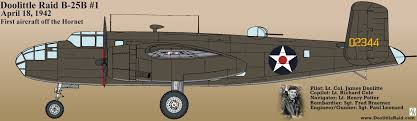
Pilot of Plane 8 Doolittle Raid
At the bottom of the page are the sequence of events leading up to the Raid

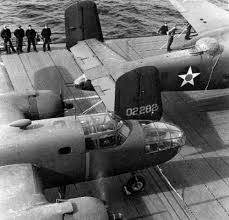
Crew of 8th Aircraft Plane # 40-2242 – Crew from 95th Squadron, 17th Group – (Landed and Interned in Russia)
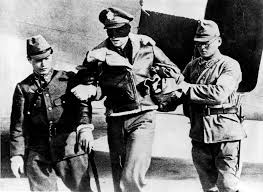
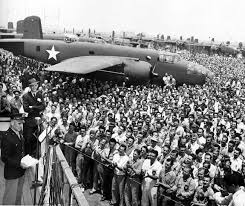
Captain York’s B25 had suffered engine problems prior to the loading of the aircraft on the Hornet, and the flight to Japan compounded this. Despite heavy fuel consumption by both engines, York continued on course to drop his bombs on their assigned targets. Throughout the run the aircraft was defenseless with a top turret that failed to work. Without enough fuel to reach China, Cpt. York elected to fly the shorter distance to Russia where he landed at a field near Vladivostok in hopes of refueling to reach China. Instead, the still neutral Soviets confiscated the bomber and interred the crew for thirteen months. The crew returned home in May 1943 after escaping into Persia.


Pilot Capt. E.J. York
Co-Pilot Lt. R.G. Emmens
Navigator Lt. N.A. Herndon
Bombardier SSgt. T.H. Laban
Engineer Gunner Sgt. D.W. Pohl

These are images from Vladimir Plotnikov which he located at of York’s plane, the day after the raid, in Russia.
http://www.airforce.ru/history/ww2/photoalbum/page_11.htm


Graduated from Batavia High School in 1928 and enlisted in the U.S. Army (Infantry) in July, 1930. Served at several posts, including Chilkoot Barracks, Alaska, before winning an appointment to the United States Military Academy. Commissioned as Second Lieutenant upon graduation and was assigned to pilot training at Randolph and Kelly Fields where he received his wings in August, 1939. Was interned in Russia after Tokyo Raid for thirteen months. Shortly after returning to the US in 1943 he was reassigned to B-17 unit in Italy. Following World War II, was sent to Warsaw, Poland as Air Attache. Returned to US in 1947 and assigned as Commandant of Air Force Officer Candidate School. Graduated from Air War College and has had service in the Pentagon and in State of Washington. Served as Chief of Staff of USAF Security Service, San Antonio, Texas. Retired in 1968. Decorations include the Distinguished Flying Cross, Legion of Merit, and the Chinese Army, Navy, and Air Corps Medal, Class A, 1st Grade.


Born August 16, 1912, Batavia, New York
Died August 31, 1984
Fort Sam Houston National Cemetery
1520 Harry Wurzbach Road
San Antonio, TX 78209
210-820-3891
Section 1 Grave 1220
Interment 9/4/1984



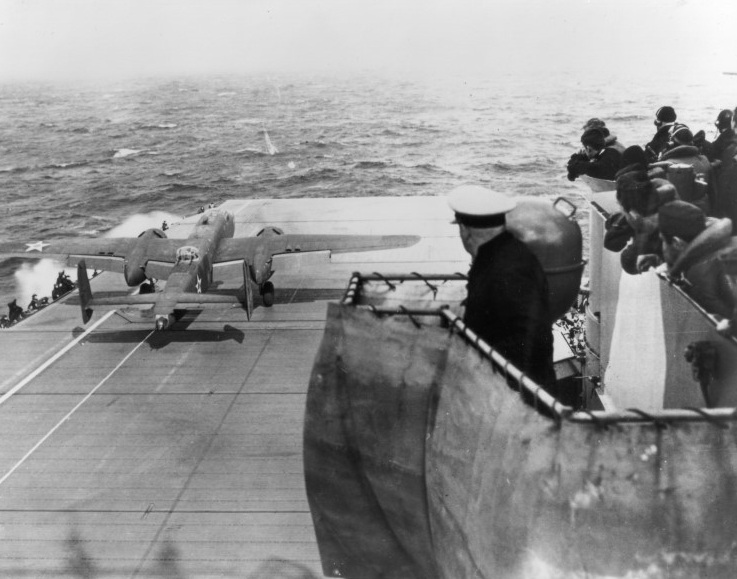
Photos relating to the Raid are at
http://www.doolittleraider.com/raid_photos.htm
B-25 data is at
http://www.doolittletokyoraiders.com/doolittle_B25.htm
http://www.doolittleraider.com/raiders/york.htm
Numerous sites are at
http://www.google.com/search?client=safari&rls=en-us&q=doolittle+raiders&ie=UTF-8&oe=UTF-8
First Joint Action
http://www.doolittleraider.com/first_joint_action.htm#_Toc510516198
Additional info
Soon after the death toll at Pearl Harbor had been totaled, President Franklin D. Roosevelt asked America’s top military leaders, Army Generals George C. Marshall and Henry H. ‘Hap Arnold and Admiral Ernest J. King, to figure out a way to strike back at Japan’s homeland as quickly as possible. Although there was nothing they wanted to do more, it seemed an impossible request to carry out.
In response to the president’s persistent urging, Captain Francis S. Low, a submariner on Admiral King’s staff, approached Admiral King and asked cautiously if it might be possible for Army medium bombers to take off from a Navy carrier. If so, could they be launched against Japan?
Note – As Captain Low was leaving Norfork, he observed Army Medium Bombers making passes at a Carrier Deck which was painted on the runway as a training aid for Naval Aviators. When he approached Admiral King with the idea, King told him to discuss it with Captain Ducan, but they were not to discuss it with anyone.
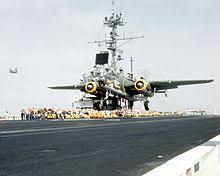
The question was passed to Captain Donald B. Wu Duncan, King’s air operations officer. After studying the capabilities of several AAF (Army Air Force) medium bombers, Duncan concluded that the North American B-25 might be capable of taking off from a carrier deck. He recommended takeoff tests be conducted before any definite plans were made.
When this basic idea was passed to General Arnold, he called in Lt. Col. James H. Jimmy Doolittle, noted racing and stunt pilot who had returned to active duty in 1940 and was now assigned to Arnold’s Washington staff. He asked Doolittle to recommend an AAF bomber that could take off in 500 feet from a space not over 75 feet wide with a 2,000-pound bombload and fly 2,000 miles. Arnold did not say why he wanted the information.
Doolittle checked the manufacturers’ data on the AAF’s medium bombers- the Douglas B-18 and B-23, North American’s B-25 and the Martin B-26. He concluded that the B-25, if modified with extra fuel tanks, could fulfill the requirements. The B-18 could not carry enough fuel and bombs, the wingspan of the B-23 was too great and the B-26 needed too much takeoff distance.
Arnold then told Doolittle why he had asked for the information, cautioning him that because such an unprecedented mission was possible, it must be kept top-secret by all concerned. Doolittle promptly volunteered to lead the effort, and Arnold promised him his complete, personal backing for whatever support he felt necessary.
The concept could be expressed succinctly: A Navy task force would take 15 B-25s to a point about 450 miles off Japan where they would be launched from a carrier to attack military targets at low altitude in five major Japanese cities, including Tokyo, the capital. The planes would then fly to bases in China where the planes and the crews would be absorbed into the Tenth Air Force, then being organized to fight in the China-Burma-India (CBI) theater.
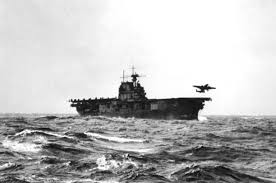
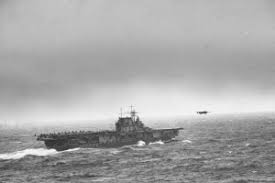
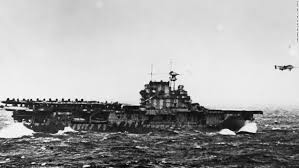
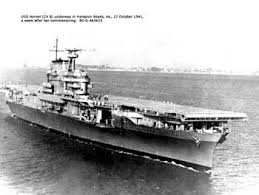
On February 2, 1942, two B-25s were hoisted aboard the USS Hornet, the Navy’s newest carrier, at Norfolk, Va. A few miles off the Virginia coast, the lightly loaded bombers were fired up and took off without difficulty. The Hornet was then ordered to proceed to the West Coast for its first war assignment.
Jimmy Doolittle, a very energetic man, decided that the B-25 crews would consist of five men: pilot, copilot, navigator, bombardier and engineer-gunner. Twenty-four B-25s and crews would be assigned to the mission from the three squadrons of the 17th Bomb Group and its associated 89th Reconnaissance Squadron, located at Pendleton, Ore. To preserve secrecy, Doolittle personally began making all the arrangements for the training and special equipment without revealing why he wanted things done.
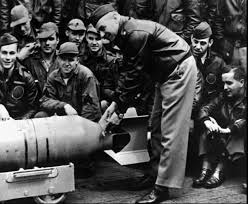
The four squadrons were ordered to Columbia, S.C. En route, the designated planes were modified with extra fuel tanks and associated plumbing at Minneapolis, Minn. New incendiary bombs and shackles were ordered, along with electrically operated motion-picture cameras that would be activated when the bombs were released. Intelligence information maps and target folders for the five major Japanese cities were prepared.
When the four squadrons arrived at Columbia, the word was passed that volunteers were needed for a dangerous mission. Almost every man in the four squadrons volunteered; the squadron commanders chose 24 crews, plus extra armament specialists and mechanics to ready the aircraft. The selected men and the planes were sent to Eglin Field, Fla., beginning on the last week of February.
Doolittle arrived at Eglin on March 3 and assembled the entire group of 140 men.
My name’s Doolittle, he said. I’ve been put in charge of the project you men have volunteered for. It’s a tough one, and it will be the most dangerous thing any of you have ever done. Anyone can drop out and nothing will ever be said about it.
Doolittle paused and the room was quiet. Several hands went up, and a lieutenant asked if he could give them any more information. Sorry, I can’t right now. I’m sure you will start getting some ideas about it when we get down to work. Now that brings up the most important point I want to make, and you’re going to hear this over and over again. This entire mission must be kept top-secret. I not only don’t want you to tell your wives or buddies about it, I don’t even want you to discuss it among yourselves.
From the first day of training, it was understood that all the volunteer crews would take the training; however, only 15 planes would eventually go on the mission. This was done to assure that there would be plenty of spare crews on hand to replace anyone who became ill or decided to drop out.
As the takeoff training of the pilots progressed, it proved to be a harrowing experience for most of them. Army Air Force pilots were not taught during their training to take off in extremely short distances at bare minimum airspeed. Taking off in a medium bomber with the tail skid occasionally striking the ground was unnatural and scary to them. But under U.S. Navy Lieutenant Henry L. Miller’s patient instruction, they all soon learned.
In addition to takeoff practice, it was hoped that each crew would receive 50 hours of flying time to be divided into day and night navigation, gunnery, bombing and formation flying. But maintenance problems kept the planes on the ground most of the time.
Each B-25B model at that time was equipped with one upper and one lower turret, each with twin .50- caliber machine guns. But the upper and lower turret mechanisms malfunctioned continually; the lower turret was especially difficult to operate. Doolittle ordered the lower turrets removed and additional gas tanks installed in their place.
There was a single, .30-caliber movable machine gun in the nose, which was placed in a gunport by the bombardier when needed. There were no guns in the tail, so Captain C. Ross Greening, the armament officer, suggested that two broomsticks be painted black and installed there to deceive enemy fighters. Since the bombing was to be at 1,500 feet or less, Greening also designed a simple bombsight he called the Mark Twain to replace the top-secret Norden bombsight. It was made from two pieces of aluminum that cost about 20 cents.
One of the volunteer gunners had, other duties. When 1st Lt. T. Robert Doc White, a physician attached to the 89th Reconnaissance Squadron, heard of the call for volunteers, he asked to be included. He was told there was no room for a passenger; the only way he could go would be as a gunner. He said that was all right with him. He took gunnery training, qualified with the second highest score with the twin .50s on the ground targets, and was assigned to a crew. His presence on the mission proved to be fortuitous, as shall be seen later.
Doolittle wanted to fly the mission as a pilot. But I wanted to go only on the basis that I could do as well as or better than the other pilots who took the training, he said. I took Hank Miller’s course and was graded along with the others. I made it, but if I hadn’t I intended to go along as a copilot and let one of the younger, more proficient pilots occupy the left seat.
On one of his training flights, Doolittle flew with Lieutenant Richard E. Cole, copilot; Lieutenant Henry A. Potter, navigator; Sergeant Fred A. Braemer, bombardier; and Sergeant Paul J. Leonard, engineer-gunner. The original pilot had become ill and did not return to flying duty. These men became Doolittle’s crew.
Meanwhile, Captain Wu Duncan had arrived in Honolulu and conferred with Admiral Chester W. Nimitz, commander in chief of the Pacific Fleet, and conveyed the plan for a Navy task force to transport the army bombers to the launch point. Nimitz liked the idea and gave the task of carrying it out to Admiral William F. Bull Halsey, who was anxious to tangle with the enemy any way he could.
Duncan worked with the CINCPAC (commander in chief, Pacific) planning staff on the details for a 16-ship task force. It was decided that seven ships would accompany the Hornet from the Alameda Naval Air Station near San Francisco and rendezvous with an eightship force that included Halsey’s flagship, the carrier Enterprise. The joinder would take place near the 180th meridian.
By the middle of March, the Hornet, now destined to be the ship that would deliver the B-25s to the takeoff point, passed through the Panama Canal and proceeded to Alameda. At the end of the third week in March, Captain Duncan wired Washington from Honolulu: Tell Jimmy to get on his horse.
This coded message was all Doolittle needed to get his men and planes moving to the West Coast. Since two of the B-25s had been damaged in training, the 22 remaining planes were flown to McClellan Field, Sacramento, Calif., for final inspections before proceeding to Alameda. All of these crews would go aboard the carrier.
Captain Duncan flew to San Diego to confer with Captain Marc A. Mitscher, skipper of the Hornet. Mitscher had not been told about the mission until then and was delighted to have a part in it. Since he had watched the first two B-25s take off successfully several weeks previously, he was confident it could be done. Duncan then went to San Francisco to await the arrival of Doolittle from Florida, Halsey from Hawaii and the Hornet from San Diego.
The three men, joined by Captain Miles Browning, Halsey’s chief of staff, met informally in downtown San Francisco to discuss the details and determine if anything had been left undone. The plan was for the Hornet, in company with the cruisers Nashville and Vincennes, the oiler Cimarron, and the destroyers Gwin, Meredith, Monssen and Grayson – to be known as Task Force 16.2 – to leave San Francisco April 2. Halsey, on the Enterprise and in charge of Task Force 16.1, would leave Hawaii on April 7, accompanied by the cruisers Northampton and Salt Lake City, the oiler Sabine,, and destroyers Balch, Benham, Ellet and Fanning.
Philip Hayes
March 25, 2011 – 2:03 pm
In 1919 as a Captain he returned to West Point as Executive Officer for Athletics.
In 1944 he was responsible for resolving the Philadelphia Transit Strike.
http://en.wikipedia.org/wiki/Philip_Hayes_(general)
http://en.wikipedia.org/wiki/Philadelphia_transit_strike_of_1944
Robert L. Scott
March 25, 2011 – 2:03 pm
Army Mule Rider
Graduated 6th off the bottom of the Class

Bob Scott in his P-40 He flew with The Flying Tigers
http://en.wikipedia.org/wiki/Flying_Tigers

http://en.wikipedia.org/wiki/Robert_Lee_Scott,_Jr.
http://www.aviationartstore.com/robert_scott_2.htm
http://www.robertlscottfanclubassociation.com/Scottyphotos.html
https://forums.af.edu/_layouts/Ecco/CommunityBrowser.aspx?id=15245&view=l&vm=Brief
http://www.collectspace.com/ubb/Forum23/HTML/001849.html
http://www.legacy.com/obituaries/macon/obituary.aspx?n=robert-l-scott&pid=16892560&fhid=4415
http://www.arlingtoncemetery.net/rlscott.htm
http://www.imdb.com/title/tt0037746/
http://www.historyforsale.com/html/prodetails.asp?documentid=190260&start=11&page=153
http://www.worthpoint.com/worthopedia/flying-tigers-print-signed-general-101661216

I (Irish – Post Captain Member # 722) was born in 1939 and clearly remember reading, when I was a pre-teen, God is My Co-Pilot by Brig. Gen Bob Scott. It was one of the motivators that led me into a flying career.
Recently, when learning of a fellow New Hampshireite, Dan Ford, who has written Flying Tigers: Claire Chennault and His American Volunteers, 1941-1942 I discovered the obit of Gen. Scott who passed away on February 27, 1996 at the age of 97. If you read this you will marvel has his career, especially when you learn that he, in 93 days, walked the entire 2000 miles of the Great Wall of China!
Since this article doesn’t fit any SJ topic I’m taking the liberty of posting it in the TWA topic. Enjoy. Paul
3/1/2006 – WARNER ROBINS, Ga. (AFPN) — Brig. Gen. Robert L. Scott Jr., World War II fighter ace and author of the 1943 book “God Is My Co-Pilot” has died.
The general passed away Feb. 27 in Warner Robins after a stroke. He was 97.
Though the general retired from the Air Force in 1957, for the following decades he continued to serve the Air Force.
Known to his friends and family as “Scotty” the general lived his final two decades as the “champion and cheerleader” of the Museum of Aviation in Warner Robins, officials there said.
The general was born in Waynesboro, Ga., April 12, 1908, the son of a traveling salesman. He was raised in Macon. From an early age he showed interest in air travel.
His legacy is portrayed at the museum in a large exhibit featuring his photos, books, personal items and memorabilia.
General Scott’s lifetime story and flying career are legendary. A West Point graduate, he amassed more than 33,000 flying hours in 60 years of flying. During World War II, official Army Air Force records credit him with 13 aerial victories while flying the P-40 Warhawk over China. But the general said he actually shot down nine more, though they were listed as “probable”.
But he once said, “You had to have two witnesses in the formation, or you needed a gun camera to take a picture. Only we didn’t have gun cameras in China. I actually had 22 aerial victims.” That made him one of the top American aces of the war.
Never shot down, the general never lost an aircraft and his feats in the early years of the war inspired an entire generation of young pilots. God Is My Co-Pilot, inspired by his wartime experiences, was a best seller and turned into a movie.
The general graduated from Lanier High School in 1928. The summer between his junior and senior years of high school, he took a job as deck boy aboard a Black Diamond Line freighter and sailed halfway around the world. It was the beginning of a lifetime of adventure.
But General Scott’s life-long ambition was to fly. At age 12, he flew a home-made glider off the roof of a three story house in Macon and crashed landed into a Cherokee rose bush — the state flower of Georgia.
As Scott recalled later, “Gliders were built out of spruce, but I didn’t have enough money, so I made mine out of knotty pine. I cleared the first magnolia, but then the main wing strut broke and I came down in Mrs. Napier’s rose bushes.
“It’s the only plane I ever crashed,” he said.
He enlisted in the Georgia National Guard and President Hoover appointed him to West Point in 1928. When he graduated in 1932, he used the summer to sail to Europe. He bought a motorcycle in France and motored across Europe and Asia — turning around at Mount Ararat. After returning, he joined the Army Flying Center at Randolph Air Base, Texas. He earned his wings Oct. 17, 1933, and went to his first assignment at Mitchell Field, N.Y.
In 1934, President Roosevelt cancelled commercial air mail contracts and gave the duty to the Air Corps. General Scott immediately volunteered and flew airmail in an open cockpit plane through the “Hell Stretch” — as it was know then — from Newark, N.J., to Cleveland. Then he served a tour at Albrook Field, Panama. He became a flying instructor after that and was promoted to lieutenant colonel during the expansion program before World War II.
When the war broke out, General Scott — then 33 — was running the largest flight training academy in the country, the Cal Aero Academy in California. To his dismay, he did not receive orders to go fight. So he wrote numerous letters begging for an assignment to a combat flying unit. He was told he was too old to be a fighter pilot and he needed to keep training younger pilots.
But one night, he received a call from the Pentagon. An intelligence officer asked him if he had ever flown a B-17 Flying Fortress. The general — who had never flown the plane — said yes. That’s how he got orders to the secret Task Force Aquila — to fly B-17s to China to bomb Japan.
After days of flying across the Atlantic, Africa, Middle East and China, he landed to receive the news that the mission was scrubbed because the Japanese had captured their planned take-off bases in the Philippines.
So he flew C-47 Gooney Birds over the Himalayas instead, flying fuel and supplies from India to combat bases in China. Soon General Scott, by then a colonel, met Brig. Gen. Claire Chennault, the tough commander of the American Volunteer Group in China — the Flying Tigers. General Scott convinced the commander to let him use a P-40 to fly escort missions for the transports and he was soon flying daily combat missions — in addition to escort duty.
In his first month of combat, he logged 215 hours of flight time and quickly became a double “ace” with 13 confirmed aerial victories.
On July 4, 1942, at the request of Chiang Kai-shek, General Scott was given command of the 23 Fighter Group of the China Air Task Force — the Army Air Force unit activated with remnants of the Flying Tigers. It later became the 14th Air Force.
In January 1943, the general was ordered back to the United States to make public relations speeches to war plant workers. He wrote “God Is My Co-Pilot,” and served as technical advisor to Warner Brothers in making a movie.
After the war, the general served at the Pentagon on a task force to win autonomy for the Air Force from the Army, which occurred in September 1947. That year he took command of the Air Force’s first jet fighter school at Williams Field, Ariz. He then moved to Europe in 1950 to command the 36th Fighter Wing at Furstenfieldbruck, Germany.
In 1954, after graduating from the National War College, he was promoted to brigadier general and assigned as Air Force director of information. He retired in 1957.
Then he pursued his life-long dream to walk the Great Wall of China. After writing more than 300 letters in two years to ask for official permission, General Scott finally signed on for a package tour to just get inside China.
While there, he managed to get a visa and travel permit and in 93 days — with a 70 pound backpack including 1,200 oatmeal cookies he baked himself — he walked the 2,000 miles of the Great Wall to complete Marco Polo’s trip that had fascinated him for 57 years. On a 9,000 foot mountain overlooking Kunming — General Chennault’s home base in World War II — he left an engraved stone memorial to his former boss that read: General Claire Lee Chennault. We, your men, honor you forever.
In 1976, with special permission from Gen. Charles Gabriel, Air Force chief of staff, he flew an F-16 Fighting Falcon. Ironically, his first military airplane had also been a Falcon, a Curtiss O-1G fabric-covered biplane.
In 1986, General Scott arrived at Warner Robins for the unveiling of an exhibit of his memorabilia at the Museum of Aviation. He was asked to stay and the next year moved to Warner Robins to become the head of the Heritage of Eagles Campaign — which ultimately raised $2.5 million to build the museum’s three- story Eagle Building.
In 1988, the general released his autobiography, “The Day I Owned the Sky.” That year, at age 82, he was flown in an F-15 Eagle out of Dobbins Air Force Base, Ga. In May 1995, the general joined 19 veterans of the China-Burma-China campaign on a 50th anniversary return to meet Chinese veterans they flew with during World War II.
On April 2, 1997, in celebration of his 89th birthday, General Scott flew his last flight — in a B-1 Lancer bomber from Robins’ 116th Bomb Wing. His flight log closed with over 33,000 hours in the air — a total few pilots have reached.
In the last two decades of his life, General Scott continued to work tirelessly at the museum, helping to raise millions of dollars to develop the heritage and education center. His legacy, he said, was to “teach the younger generation that if we are strong, we will never have to endure another tragedy like World War II.”
General Scott is survived by daughter Robin Fraser of Bakersfield, Calif., a grandson, three granddaughters and several great-grandchildren.
The general will be buried at Arlington National Cemetery in Washington, D.C.
Copied from http://www.smilinjack.com/cgi/ultimatebb.cgi?ubb=get_topic;f=6;t=001289
West Point’s Infamous Indoor Obstacle Course
March 25, 2011 – 2:02 pm
Gray Matter – 17 March 2011
Mention of the words “indoor obstacle course” to most West Point cadets or graduates, and you are bound to get an interesting reaction. For some, it recalls a recurring opportunity to set a record in physical education, or at least chalk up a maximum grade. For others, it means several afternoons spent in practice, attempting to cut a few seconds off the time required to negotiate an obstacle by improving one’s form, if only for bragging rights within one’s cadet company. For many, it was part of the natural course of events – neither feared excessively nor considered a great way to spend an afternoon. For some, however, images of “mission impossible” come to mind, due to inherent problems with height or upper body strength. All, however, unite in recalling the dry, dusty feeling in one’s lungs during the three laps on the indoor track that immediately preceded the finish line.
The indoor obstacle course now must be passed in order to graduate, and it is a devilishly intricate and demanding test of agility, flexibility, confidence and endurance involving eleven obstacles. Early versions arranged some of the obstacles in a different order, but the three minutes or so of hell remain about the same for all.
Nowadays, the first obstacle after the command of “Go” requires one to crawl under a low frame with a plastic or other sheet over the top. Hitting the supporting frame is slightly painful; bumping the sheet too much slows you down. Immediately following is obstacle two: a series of tires that forces you to raise your legs high to navigate without tripping. Not terribly difficult, but a single misstep can cause you to fall and lose precious seconds. An overly cautious approach costs almost as much time and runs the risk of being run over by the cadet who started 15-20 seconds behind you.
Obstacle three has changed in spirit, if not substance, over the years. It is a padded pommel horse draped in a mat, and at one time in the past, a dive, tuck and forward roll was required. Since military movement first became a part of the curriculum of the Department of Physical Education, now one’s hands may be placed on the horse and a vault executed with no other part of the body touching the horse. Also, a degree of subjectivity is introduced. A grader determines if you landed “under control” or not.
Assuming that you were under control and did not fall, you proceed to obstacle four, the shelf. It is a plywood platform about six or seven feet off the floor and supported by a pipe framework. One must grab onto the shelf – not the pipe framework – and pull one’s self onto the shelf. Then one faces obstacle five, the horizontal bars. Just navigate to the middle of the gym by walking on a pipe framework with vertical supports just far enough apart to challenge your balance in between supports. Being cautious again costs precious seconds – bounding from one support to the other like a monkey is faster. Then drop back down to main floor level and obstacle six, the suspended tire. Super athletes can jump feet first through the tire and slide their upper torso through on the run. Most cadets grab the two cables suspending the tires and then thrust their legs through, costing them about five seconds. Next is obstacle seven, the balance beam. Walk the entire distance without falling off, then jump down and execute a forward roll. Fall off or do a bad roll? Start over.
Obstacle eight is hated by the vertically challenged or those with less upper body strength. It is the infamous eight-foot wall. Get over it in any way possible without touching the vertical supports on either side. Easier for a tall cadet or those unafraid of rushing the padded wall at full speed, jumping up, and getting most of one’s body over on the fly. Obstacle nine is a horizontal ladder. Putting both hands on the same rung takes too much time. Alternating hands is faster, but only if you don’t fall. You have to start over if you do, and the clock is always ticking.
Take heart; the end is in sight. Of course, the finish line is on the indoor track above, and you are down on the main floor of the gym. Enter obstacle ten, the rope climb. Make it to the red line on the rope, jump onto the platform and climb onto the track. Getting your feet on the platform without reaching the red line with your hands will cost you a 15-second penalty; don’t make it up the rope and it costs you 30 seconds – enough to fail most cadets. Then you still have to climb a rope ladder up to the track and run anyway.
Once on the track, a helpful staff member hands you a medicine ball that you proudly carry around the track for one lap. Then you carefully place the ball into a bin and pick up a baton for another lap and another careful return to a bin. Then your dust-dry lungs must attempt to scavenge enough oxygen for a partial lap at full speed to the finish line. That or discover that giving less than everything you had left – even though you were certain that you had nothing left – puts you across the finish line at one second over the course record or the company record or the passing time for the indoor obstacle course test. There are several large plastic waste receptacles off to the left for those who need them. Better luck on the re-test.
Your humble servant, J. Phoenix, Esquire
Please forward guest articles, comments and suggestions for future topics to JPhoenix@wpaog.org. You may also sign up to receive Gray Matter directly at that same email address.
Did you know that a number of previous Gray Matter essays may be found at http://www.westpointaog.org ?
Click on – The Poop Sheets – and then scroll down and click on Gray Matter e-Newsletter.
Those Who Contributed
March 7, 2011 – 5:30 pm
Please Note – This list is very incomplete. A request has been made to the Thayer to provide an up dated listing. A Framed listing of those who donated will be placed inside the 1953 Team Room.
Class of 1954 |
Class of 1955Joe Franklin (P) |
Class of 1956Ralph Chesnauskas (P) Bob Farris (P) Ken Lang Russell Mericle (P) |
Class of 1957Robert P. Christiansen Len Wishart |
Class of 1962Dennis Benchoff Bob Brogi Phil Burns Glen Blumhardt John Easterbrook Jim Ellis Marlene Garvey for Dick Jim Kays Al Rushatz John Wagner |
The (P) Indicates They Played On The ’53 Team
very first note ’53 Football Team Room Dedication at Thayer
March 5, 2011 – 5:30 pm
The Hotel Thayer is undergoing a high-tech renovation. Each Room’s Decor will reflect the accomplishments of a Graduate. Thirty members of the 1958 Football Team and Class have committed to the sponsorship of a room honoring the ’58 Team.
thethayerhotel.com
What you accomplished in the Fall of 1953 was not just a Team effort; it was as Bob Mischak (who started in the Famed 1958 – Greatest Game Ever Played ) and who was member of 3 Super Bowl winning teams, involved in 8 AFC Championship games and numerous playoff games) stated in referring to your defeat of the nationally ranked Duke Blue Devils at the Polo Grounds – “From a player’s stand point, that was the epitome of any game, team, and student body support that I’ve been associated with – bar none.”
You have your memories and ’62 has one Classmate whose Father took him to the Duke Game and one Classmate who watched all the Home Games from a tall oak tree behind the old stands at the North end of Michie.
However, today’s Corps of Cadets may know of what was accomplished in 1958 but they know NOTHING of what 1953 – 1954 Corps of Cadets accomplished. The Class of 1962 has contributed over $1000 as a start toward a Room Dedication for the 1953 Team. Ralph Chesnauskas and Bob Farris have submitted their contributions as have others. The Class of 1954 has committed to support the funding of The ’53 Team Room once the Committee approves the designation.
This should not be an individual Class effort, it should not be a Football Team effort, it should be a 1953-1954, Corps of Cadets effort. It was your Team. It was you along with members of the Staff and Faculty who surrounded the practice field each day. What your Team accomplished, what you accomplished, must become a source of Pride to today’s Corps of Cadets, just as it was source of Pride for the Class of 1962.
Item’s you might consider for the Room – A lockable glass cabinet, someone may have a victory football. On the walls a Photo of the Team –

Mischak, Attaya, Lodge, Norm Stepen, Jerry Hagan, Lowell Sisson, Lunn, Ski Ordway, Tommy Bell, Franklin, and Zaborowski, Holleder, Mericle, Vann, Chesnauskas, Farris, Uebel and many others.
Note – – Jerry Lodge – who wore #32 is missing from Photo as is Norm Stephen. 2d man 2d row next to Tommy Bell – Name is Zaborowski. Wynn #31 is actually in the 2d row not the 3rd. Others are missing and perhaps first names should be added along with Class.
Does anyone have a photo of the Plebe Team from the Fall of ’53? There are 2 poor photos of the B Squad. Bat Lang ’55 sent a 1952 photo of the Class of ’56 Plebe Team – Russ Mericle (2 Army A’s in Football) can put a name to each.
A Photo of Billy’s grand entrance into Washington Hall with caption that the White House had to order Billy’s return, Jay’s cannon coins with caption that Plebes could not play varsity sports, Leroy Lunn receiving the Lambert on behalf of the Corps of Cadets and your Team, and a Cheerleaders photo.
Perhaps a book with photos of the Cannon, Chopper, Robe going up, Lowell Sisson’s recovery of Rox Shain’s opening kickoff which was fumbled by Navy, Hagan handing off to Attaya, General Van Fleet’s address to the Corps prior to the Navy Game along with many others. Does anyone have pictures of the machines the Cadet Companies constructed? L2 was proud of their 8′ tall device depicting Bob Farris scrubbing the Navy Goat. As you remember it was powered by Plebes lying on their backs driving a bicycle-like mechanism.
If you wish, a copy of the 13 page Nomination of the Team for the Sports Hall of Fame by the Class of ’62 can be provided for the book.
http://forwhattheygaveonsaturdayafternoon.com/wp-53/nom-team
Certainly the highlight video of that season, must be part of the room.
Perhaps you still have enough influence with the Academy that you could ask the Corps of Cadets to tape 2 or 3 reps of your bugle call, drum roll, and chant of GO! GO! GO! for the room. The 4,000 of today’s Corps will not quite match the chant which shook the old Polo Grounds, but they can try.
Perhaps the Plaque on the door could read something similar to –
1953 Army Football Team
“I never coached a team that give me more than you did. I never have coached a team that has given me as much satisfaction. —- ” Col Blaik Nov. 28, 1953
Given by Members of the 1953 – 1954 USCC
The Room Selection Committee approved a room to be dedicated to the 1953 Army Football Team on 1 March 2011. If you believe today’s Cadet Corps deserves to know what you did then make a check out to –
Hudson River Partners
In the memo section insert – 1953 Team Room
Hudson River Partners are the Management Company for the Thayer.
(Note just send what you can afford – and please pass this on to Classmates)
Mail the Check to Wayne Culberth
Thayer Hotel 674 Thayer Road
West Point, NY 10996
Phil Burns
On behalf of the Class of 1962
Can Do
Please note the Roster of Graduates will be used to contact Graduates – so there may be duplication of message. It would help to receive a simple Email reply – “check sent with first & last name” (We will be able to insure that Wayne has each check and a 53 does not get mixed up with the 58 box).
Draft Plaque ’53 room
March 4, 2011 – 5:30 pm
1953 Army Football Team
7-1-1

He ordered the door secured and as he turned his eyes were misty.
“I never coached a team that gave me more than you did.
I never have coached a team that has given me as much satisfaction. Considering
all the conditions since 1951,
you have done more for football at West Point than any other team in the history of the Academy.”
Coach Earl H Blaik Nov 28, 1953 – – – – Selected Football Coach of the Year
The 17 October defeat of the 7th ranked Duke Blue Devils
at the Polo Grounds was designated as the Collegiate Game of the Year.
On 20 December 1953, The Lambert Trophy was Awarded at West Point
to the Corps of Cadets and the Army Football Team
The Donors Plaque will be –
Given by Members of the 1953 – 1954 Corps of Cadets
Proposal for ’53 Team Room at the Thayer
March 4, 2011 – 5:30 pm
PURPOSE
Insure the Corps of Cadets today & in future years is aware of and understands the significance of what was accomplished in the Fall of 1953.
Method
1. Acceptance of the 1953 Army Football Team into the Army Sports Hall of Fame.
a. A 13 Page Nomination submitted.
b. An internal Academy decision removed Teams from consideration. The Purpose of Hall of Fame has not changed. It still includes Teams
c. Effort will be made to affect reversal of decision.
2. Convince Thayer Committee to select the 1953 Football Team as part of the distinguished graduate dedicated room program. http://rdp.thethayerhotel.com/
3. Wayne Culbreth is Point of Contact 845 445-8534, note new Email address is wculbreth@thayerfellows.org
4. 1953 Team was selected for inclusion on 1 March 2011.
Funding
1. A $25,000 contribution is required.
a. Funds are used to furnish the room including; 2 plaques on the door one for the
Team, and one under the Team for the Sponsor; a hanging in the hallway of the Team; and a listing in a dedicated display in the Lobby. In addition the story will be told in perpetuity on the Thayer History Channel. http://rdp.thethayerhotel.com/Thayer-RoomDedication.pdf
b. The room decor will reflect the accomplishments of that season with photos and memorabilia associated with the 1953 Season. Each guest will be offered a video commemorating the Team. Subsidized Books will be sold by the Thayer.
c. Remaining funds will be directed toward the high tech upgrade of the room and the Hotel.
2. Additional funding is required.
a. Funds include a standardized video reflecting the accomplishments of each Honoree.
b. However, the story of the 1953 season is more extensive than just a highlight film of the Team’s accomplishments. The complete story of the ’53 season must be told. The Thayer is evaluating the expected requirements to accurately depict what was accomplished that Fall.
Source of Funds
1. Funding for the room, additional funding for an enhanced video, and memorabilia will be by the 1953 – 1954 Corps of Cadets.
2. The Class of 1954 will have an organized Class effort to fund and secure memorabilia.
3. The Class Leaders from the Classes of ’55, ’56, and ’57 will be contacted to determine Class interest in support of the Room Designation.
4. The Register of Graduates has been utilized to contact individual members of ’55, ’56, and ’57 to seek support .
A draft Plaque is at
http://forwhattheygaveonsaturdayafternoon.com/draft-plaque/53-team
The video narration will be by a 1954 Graduate.
The material to be used is at http://forwhattheygaveonsaturdayafternoon.com/wp-teams/football/1953-football and http://forwhattheygaveonsaturdayafternoon.com/wp-53/nom-team in addition game highlight film will be used
1. After the highlights of the Northwester game, the narrator will comment -During the 1953 season the rules of substitution changed (ostensibly because of the Korean War and the lack of young men to play college football) to essentially eliminate the two platoon system that had been used previously.
2. Lowell Sisson will be asked to comment – After the 1952 season, during which I played offensive end, I was switched to play halfback at the start of Spring practice. I continued in that mode until just before the start of the 1953 season. About 10 days before the season was to start I was called in to Col Blaik’s office. Fearful regarding what the reason was, I reported in to find Col Blaik and Vince Lombardi there and they proceeded to ask me what my reaction would be if they were to switch me back to end. I said I did not care where they wanted me to play as long as I could be of value to the team. They did not explain why they wanted to make this change and I did not ask … maybe I should have. I speculated that the new substitution rule had something to do with it. I must admit I always thought I was a better halfback than an end.During the 1953 season the rules of substitution changed (ostensibly because of the Korean War and the lack of young men to play college football) to essentially eliminate the two platoon system that had been used previously.
3. Twenty-twenty hindsight revealed to me that they knew they had a diamond in Don Holleder and with the two platoon system he would have more than replaced me. But because we had to play both offense and defense they must have concluded that it would be better to leave me at end.
4. Because of the switch back to end I did not get totally grooved into playing defensive end and this contributed (in my mind) to a large degree why we lost our only game that season. I felt I played a terrible game against Northwestern and contributed mightily to our defeat.
5. Narrator — Lowell Sisson made up for the Northwestern loss in the Navy Game. On the kickoff, Norm Stephen came down the field so fast and so hard that he had knocked the ball right out of the Navy player’s hands and right into Lowell’s hands on the Navy 30 yard line. Lowell remembers Norm Stephen as a real leader, a motivator for the Team.
6. At the conclusion of the Duke highlights the narrator will comment on Bob Mischak’s professional career – Bob Mischak who started in the Famed 1958 “Greatest Game Ever Played” and who as a player and coach was member of 3 Super Bowl winning teams, involvedin 8 AFC Champion’ship games and numerous playoff games had this to say
7. Bob Mischak will be asked to comment on the Duke Game – As many reports have stated, the 1953 team “Returned to Glory” with the defeat of the nationally ranked Duke Blue Devils at the Polo Grounds in New York City. From a player’s stand point, that was the epitome of any game, team, and student body support that I’ve been associated with – bar none.
Additional Considerations
1. The First & Last Name listed under the Team photo in the room. We could add Class if it is felt appropriate.
2. A framed listing of each donee by Class could be put in the room.
3. A request would be made to ODIA to record 2 or 3 reps of the drum roll, bugle and GO! GO! GO! by the Corps of Cadets.
Plebe Team Fall of 1952
February 24, 2011 – 5:30 pm

1st Row: 74: Vern Van Vonderen, 68: Bob Cremer, 81: Don Dane (DNG), 88: Art Boudreau, 64: Mark Sisinyak, 65: Ted Vallas (DNG), 22: Jerry Wynn, 31: (unk) O’Keefe, 42: Frank (Zuke) Day, 23: Ted Dayharsh, 55: Paul Lasley, 30: Pat Uebel, 11: Russ Mericle.
2nd Row: 3 coaches, all unk, 58: Ron Rigoni (DNG), 72: Stan Meador, 78: Norris (Butch) Harbold, 99: Howard (Knobby) Glock, 95: (unk) Hepler (DNG), 70: Chuck Garvey, 90: Bob Grassberger, 10: Paul Winkle, 46: Mike Zeigler, 67: Hugh Munson, 52: Gene Geib (DNG), 12: Bill Cody, 93: Bob Bacon, hidden behind Bacon, Bob Caron, Head Coach Capt Robert St Onge, Ass’t Coach Lt Art Gerometa.
3rd Row: 79: Norman Schwarzkopf, 76: John McGinn, 85: Dick Malin (nee Malinowski), 59: Bob Farris, 89: Don Satterfield, 87: Don Holleder, 83: Don Ernest, 96: Paul Daugherty, 63: Ralph Chesnauskas, 43: Charlie Hamm, 21: Tommy Kirchgessner, 99: Ron Melnik (DNG), 60: Bill Johansen.
Team members not in photo: Joe Gleason, Nick Bruno, Pete Lash, Mike Pendino, Frank Burd, Fred Dent, and Phil Elliot.
DNG – Did Not Graduate
Russell Mericle
January 31, 2011 – 5:30 pm
The Plebe Team – Fall of 1952

Russ was a member of the 1953 Football Team
He earned 2 Army A’s in Football.
Leslie R Groves
January 31, 2011 – 5:29 pm
November 1918 Class
Oversaw the building of the Pentagon and was head of the Manhattan Project.
Philip Hayes
January 21, 2011 – 5:29 pm
Cadet Athletics not available at this time. As a Captain he returned to West Point in 1919 to become the Executive Officer for Athletics.
See — http://en.wikipedia.org/wiki/Philip_Hayes_(general)
Also see the the 1944 Philadelphia transit strike
http://en.wikipedia.org/wiki/Philadelphia_transit_strike_of_1944
Joseph W. Stilwell Chronology of Assignments
December 26, 2010 – 5:29 pm
8/1/23-9/9/23 Leave and travel to Fort Benning, GA
9/10/23-5/29/24 Student, Advanced Officer’s Course, Infantry School, Fort Benning, GA.
5/30/24-5/30/25 Assistant Executive, Fort Benning, GA.
5/31/25-8/21/25 Leave and travel to Fort Leavenworth, KS
8/22/25-6/30/26 Student Officer, Fort Leavenworth, KS.
7/1/26-9/28/26 Leave and travel to Tientsin, China (Sailed on USAT Thomas 8/20/26-9/28/26)
9/29/26-2/22/28 15th Infantry, Tientsin, China.
— 10/1/26-12/15/26, Cdr, Provisional Battalion, 15th Inf.
— 12/6/26-4/30/27, Cdr. 2nd Battalion, 15th Inf.
— 5/1/27-10/31/27, Regimental Executive Officer, 15th Inf.
— 11/1/27-12/23/27, Cdr. Provisional Battalion, 15th Inf.
— 12/24/27-2/22/28, Regimental Executive Officer, 15th Inf.
— (Trip to Korea and Japan, 95/27-9/25/27; Trip to Japan, 9/22/28-10/30/28)
2/22/28-6/30/28 Post Executive Officer, Tientsin, China
7/1/28-4/16/29 Chief of Staff, United States American Forces in China. (Detached Service for one month effective 3/10/29; trip to Korea and Japan 3/10/29-4/1/29)
4/17/29-5/31/29 Enroute to USA (USAT Grant, 4/17/29-5/7/29, to San Francisco and then New York via Panama, 5/14/29-5/31/29).
6/1/29-7/9/29 Leave and travel to Fort Benning, GA.
7/10/29-5/-/30 Instructor in Tactics, Fort Benning, GA.
5/-/30-5/30/33 Chief of First Section (Tactics) and Instructor, Fort Benning, GA.
6/6/33-5/19/35 Reserve Duty at San Diego, CA.
4/20/35-6/4/35 Leave and travel to San Francisco, CA
6/5/35-7/6/35 Enroute to China (USAT Grant, 6/5/35-7/6/35)
7/7/35-5/13/39 Military AttachÃ∞© to China and Siam, Peking, China. (26 field trips within China and Siam)
5/13/39-8/14/39 Leave (Indo-China, Siam, Malay, Java, and Philippines) and enroute to USA (USAT Grant, 7/24/39-8/14/39)
8/16/39-9/23/39 Leave and travel to Fort Sam Houston, TX
9/24/39-10/8/39 Commander, 3rd Brigade, Fort Sam Houston, TX
10/8/39-6/28/40 The Infantry Commander, 2nd Division, Fort Sam Houston, TX.
7/1/40-7/25/41 Commanding General, 7th Division, Fort Ord, CA.
7/25/41-12/23/41 Commanding General, III Corps, Presidio of Monterey, CA.
12/24/41-1/23/42 Washington, DC (Planning North African invasion)
1/23/42-3/4/42 Planning, assembling staff, and enroute to China
3/4/42-10/26/44 Chief of Staff to the Supreme Commander of the China Theater; Commanding General of US Army Forces in the China Theater of Operation, Burma, and India (o/a June 22, 1942 evolved to Commanding General, China-Burma-India Theater); and subsequently Deputy Commander, Southeast Asia Command.
10/26/44-1/22/45 Enroute to the USA, leave, and waiting new assignment per verbal instructions from General Marshall, Army Chief of Staff.
1/24/45-6/21/45 Commanding General, Army Ground Forces.
6/23/45-10/15/45 Commanding General, Tenth Army, Okinawa.2/22/28-6/30/28 Post Executive Officer, Tientsin, China
11/1/45-1/19/46 Washington, DC, War Equipment Board.
1/22//46-2/28/46 Commanding General, Western Defense Command, Presidio of San Francisco, CA.
3/1/46-10/12/46 Commanding General, Sixth Army, Presidio of San Francisco, CA. (Observer, Bikini Atomic Bomb tests 6/25/46-7/31/46)
10/12/46 Died at Presidio of San Francisco; age 63
Sources: Diaries, orders, papers, and notes in the Joseph W. Stilwell Collection, Hoover Institution on War, Revolution and Peace, Stanford, CA, and personal letter in the possession of John Easterbrook. Compiled by John Easterbrook, April 2002.
NOTE: Some time intervals shown between assignments are assumed to be a small number of leave days and/or travel time, and in some cases clearing customs following international travel. Major blocks of leave time are noted. Single day differences were occasionally noted between Stilwell diaries, Stilwell summary notes, and orders. In these cases preference was given to daily diary entries when available.
| 6/15/04 Graduated from USMA, West Point, NY
6/16/04-9/14/04 Graduation leave and travel to West Coast 9/15/05-11/7/04 Enroute to Camp Jossman, Philippine Islands (USAT Sheridan 10/1/04-10/29/04) 11/7/04-4/8/06 Camp Jossman, Guimaras, Philippine Islands (In the field, Samar, Philippine Islands, 2-3/05), 12th Infantry. 4/9/06-8/21/06 Travel to the US (4/9/06-5/15/06), leave, and travel to West Point 8/22/06-12/18/10 Department of Modern Languages, USMA (Intelligence gathering trip through Guatemala, 6/20/07-8/9/07; Trip through Mexico 6/28/08-8/1/08; Trip to Honduras, Salvador, and Guatemala, 6/25/09-8/4/09) 12/19/10-1/31/11 Travel to West Coast and enroute to Philippine Islands (USAT Sherman, 1/5/11-1/31/11). 2/1/11-2/11/12 Fort William McKinley, Philippine Islands (Company D, 12th Infantry 6/4/11; Leave in Japan and China 9/15/11-12/14/11) Returned to USA with Company D, 12th Infantry. 2/11/12-4/29/13 Presidio of Monterey, CA, Company D, 12th Infantry 4/30/13-5/31/13 Leave 6/1/13-6/27/13 Fort Niagara, NY for tryout for Army Infantry Rifle Team 6/28/13-8/17/13 Leave and travel 8/18/13-6/2/14 Department of English and History, USMA 6/3/14-6/14/14 Travel to Madrid, Spain (Ship Lorraine 6/3/14-6/10/14) 6//15/14-8/6/14 Madrid, Spain for Spanish language course 8/8/14-8/27/14 Travel to USA (RMS Ivernia from Gibralter to Boston 8/8/14-8/20/14) and leave 8/28/14-4/21/15 Department of Modern Languages, USMA 4/22/15-4/26/15 Travel to Madison Barracks, NY 4/27/15-9/27/15 Madison Barracks, NY for “duty with troops” (Companies H, L, and K, 3rd Infantry) 9/28/15-9/30/15 Leave 10/1/15-6/25/16 Department of Modern Languages, USMA 6/12/16-8/12/16 Camp of Instruction, Regular Troops, Plattsburg, NY (Company M, 1st Battalion, Station Training Regiment/8th Training Regiment) 8/12/16-8/24/17 Department of Modern Languages, USMA (with additional duty in Department of Tactics starting in June 1917) 8/25/17-12/18/17 Camp Lee, VA, 80th Division (Brigade Adjutant, Camp Quartermaster, Commandant Quartermaster Training School, Commandant School of Arms and Assistant Chief of Staff G-2). 12/30/17-1/19/18 Enroute to France (USMS New York from NY 1/7/18, arrived Le Harve, France 1/19/18) 1/19/18-2/6/18 General Headquarters, A. E. F., Chaumont, France 2/6/18-2/10/18 Travel to British 30th Division and on to British 58th Division 2/10/18-2/15/18 With British 58th Division, La Fere Sector 2/16/18-2/28/18 Army Schools, Intelligence Course, Langres, France 2/28/18-3/17/18 General Headquarters, A. E. F., Chaumont, France 3/20/18-4/29/18 With French 17th Corps, Verdun Sector 4/30/18-6/5/18 General Headquarters, A. E. F., Chaumont, France 6/6/18-6/15/18 With US 2nd Corps, G-2 Section 6/19/18-1/20/19 Assistant Chief of Staff, G-2, US 4th Corps (Toul Sector; in Battle of St. Mihiel; Temporary Duty 1st Corps, 8/8/18-8/10/18). 1/20/19-6/23/19 Assistant Chief of Staff, G-1, 4th Corps, Army of Occupation, Cochem, Germany 7/5/19-7/15/19 Enroute to the USA (Lorraine) 7/16/19-8/29/19 Leave (one month) and travel to California 8/29/19-5/17/20 Chinese Language Student, University of California, Berkeley, CA. 5/18/20-8/4/20 Leave 8/5/20-9/20/20 Enroute to China (USAT Madawaska to Manila, 8/5/20-8/31/20) 9/20/20-7/8/23 Chinese Language Student, Peking, China 7/8/23-7/31/23 Enroute to USA (USAT Thomas, 7/8/23-7/31/23) |